Flinders Bay whale watching from Augusta

Augusta Whale Watching

The Margaret River Region, Western Australia

May – August

We are fast approaching that time of the year again, where Flinders Bay, Augusta becomes a safe haven and a resting point for thousands of whales who have travelled a phenomenal distance. Leaving the feeding grounds from Antarctica more than 35,000 whales are making their incredible journey north to the warmer waters, along the way they will stop in calm bays like King George Sound, Albany as well as Flinders Bay, Augusta for that much needed break from the open waters. This provides us and many other operators along the West Australian coast line with an amazing opportunity to provide Whale Watching tours in close proximity to land, operating from beautiful bays.

Legend Charters is proud to partner with our legendary sister company Naturaliste Charters to be able to offer Augusta Whale Watching tours for the upcoming season.
Be apart of one natures best offerings and witness the mighty and graceful Humpback and Southern Right Whales as they rest and play in Flinders Bay.
Naturaliste Charters offer 2-2.5 hour family friendly whale watching experiences on board their luxury 23M Catamaran – Alison Maree.
Augusta Whale Watching Tours depart 10am and 2pm daily from May – August.

Below are some great reasons as to why you should join us for a tour:

  • Naturaliste Charters have been operating Whale Watching in the South West since 1993, they are proud to be the original Whale Watching operators in the Margaret River and South West region.
  • Flexible timings with 10am & 2pm departures daily (Weather and minimum passenger numbers permitting).
  • With a 99% success sighting rate we guarantee you will see whales or you can join us again for free.. That’s right, if you don’t see whales you can come back for FREE!!
  • Be inspired with a full commentary from our professional crew, you will learn some fun facts about the region and the whales!
  • Relax in ultimate comfort on board the modern 23M Catamaran Alison Maree ensuring spectacular views from one of the multiple viewing decks or heated cabins. There are modern toilet facilities available and you can say G’day to the Skipper in the Wheelhouse, he is very friendly and always up for a chat.
  • Naturaliste Charters are Eco Tourism certified and apart of Tourism Australia’s Signature Experiences collection.
  • Enjoy a light morning of afternoon tea of Tea, Coffee, Milo, Filtered Water and biscuits.

Where is Augusta?

Augusta is apart of the breathtaking Margaret River Region, an area known for its natural beauty, delicious produce, beautiful wildlife and award winning wines. Augusta is based at the southern end of the Margaret River Region and is approximately a 3.5 hour drive South of Perth, or a 40 minute drive from Margaret River itself.

Where do tours depart from?

Our Augusta Whale Watching tours depart from the state-of-the-art Augusta Boat Harbour. This modern boat Harbour is a real draw card for the town which boasts great facilities, including commercial and recreational boating pens, toilets and free of charge parking. You can find the Augusta Boat Harbour on Leeuwin Road, Augusta, just a 5 minute drive from the Augusta town centre.

What does an Augusta Whale Watching Tour cost?

Adults: $95

Seniors (65+): $85

Children (3-14): $55

Infants (0-2): FREE

Family Pass (2A & 2C) : $275

How can I book?

You can book direct through our website here.

Augusta Whale Watching Discovering Whale Parts

Whale Watching in Augusta: A Close Look at Whale Parts

A Close Look at Whale Parts

Whale watching in Augusta is one of Western Australia’s most breathtaking wildlife encounters. From late May until August, migrating whales grace Flinders Bay, offering rare close-up views of their behaviours and anatomy. Onboard with Legend Charters, you will witness powerful tail slaps, soaring breaches, and misty blows—all while learning about essential whale parts. These body structures, from flukes to blowholes, are not just impressive to see but vital to whale survival. Whether you are a family, a nature-lover, or a curious traveller, this is your chance to explore both the majesty and the mechanics of these gentle giants.

Discovering Whale Parts

When watching whales, most people are mesmerised by their sheer size. However, every whale part plays a crucial role in survival. Let us start with the fluke—the horizontal tail fin. This muscular structure propels the whale forward and is a key feature used to identify individuals. Each fluke has unique scarring and markings, much like a human fingerprint.

Next is the dorsal fin, which varies significantly between species. On a humpback whale, the dorsal fin sits halfway down the back and appears relatively small. In contrast, orcas—though not seen in Augusta—have tall, prominent dorsal fins. These fins help with balance and stabilisation as the whale moves through the water.

Then there are the pectoral fins, or “pec fins.” On humpbacks, these fins are exceptionally long—up to one-third of their body length. Used for steering, communication, and even social play, pectoral fins are often seen during a side-roll or gentle wave at the surface.

The Blowhole and Breathing

One of the most iconic whale parts is the blowhole, located on top of the whale’s head. This is not a nostril—it is their only airway. Whales are mammals, so they must surface to breathe. When they exhale, the warm air from their lungs meets the cooler ocean air, creating the famous misty “blow.”

Humpback whales have a single blowhole, while larger whales like the blue whale have two. Blow shapes and patterns can help experienced guides identify different species from afar. Watching a whale surface and blow is often the first sign of a sighting. It is also a chance to observe the whale’s behaviour—calm breathing means cruising, while shorter intervals could mean diving.

Breaching and Surface Displays

If you are lucky, you might witness a breach—a dramatic leap from the water. No one knows exactly why whales breach. It could be to dislodge parasites, communicate, or simply for play. Regardless, it is always an unforgettable moment.

Whales also perform tail slaps, head lunges, and spy hops. Each movement reveals different whale parts in action. For example, a tail slap involves the fluke slamming down on the water’s surface. It creates a loud splash that can be heard from the vessel.

Spy hopping is when a whale rises vertically, poking its head above the surface to look around. This allows a rare glimpse of the whale’s eyes and head ridges—features not always visible during typical surfacing.

Southern Right Whale Features

Augusta is home to southern right whales, which differ noticeably from humpbacks. Their most defining whale part is the callosity pattern on their heads. These rough, white patches are hardened skin covered with barnacles and whale lice. Each whale has a distinct pattern, allowing researchers to track and identify individuals.

Southern right whales lack a dorsal fin, and their pectoral fins are shorter and paddle-shaped. They are more likely to remain near shore, offering great viewing opportunities. Their blows are V-shaped due to the two blowholes positioned wide apart—another distinctive feature you can spot easily.

Mothers, Calves and Whale Parts

During Augusta’s whale season, many females arrive with calves. Watching a mother and calf humpback interact is a heartwarming highlight. Whale calves rely heavily on their mothers, nursing several times a day.

The calf’s small fluke and short pectoral fins show how these whale parts develop over time. Mothers often guide their young by nudging them gently with their fins. You will notice the calf stays close, usually riding in the mother’s slipstream to conserve energy.

Mothers are highly protective. They may position themselves between the calf and the boat or perform defensive slaps if they feel threatened. This behaviour is why respectful, low-impact whale watching is so important.

How Whale Parts Help Science

Understanding whale parts is not just fascinating—it also helps science. Researchers track migration, behaviour, and health using physical features. For example, changes in the condition of the fluke may indicate an injury or past entanglement in fishing gear.

Some scientists use drones to photograph whale parts from above, allowing close monitoring without interference. Others collect skin and blubber samples to analyse genetics, diet, or pollutant exposure.

Whale parts also inspire technology. Engineers study the ridges on humpback pectoral fins to design more efficient wind turbines and aircraft wings. Nature, it seems, still holds many answers.

Join a Legend Charters Tour

When you join a Legend Charters whale watching tour in Augusta, you are not just sightseeing—you are learning. Our expert crew includes marine naturalists who will explain everything you are seeing, from blowholes to barnacles. You will leave with a deeper understanding of whale parts and the vital roles they play.

Each tour is tailored to ensure minimal disturbance and maximum enjoyment. With small group sizes and spacious viewing decks, every guest has a front-row seat to the action. Whether you are a first-time visitor or a seasoned wildlife lover, Augusta will capture your heart.

Book your whale watching tour today with Legend Charters. Discover the stories behind every splash and every surface—because every whale part has a purpose.

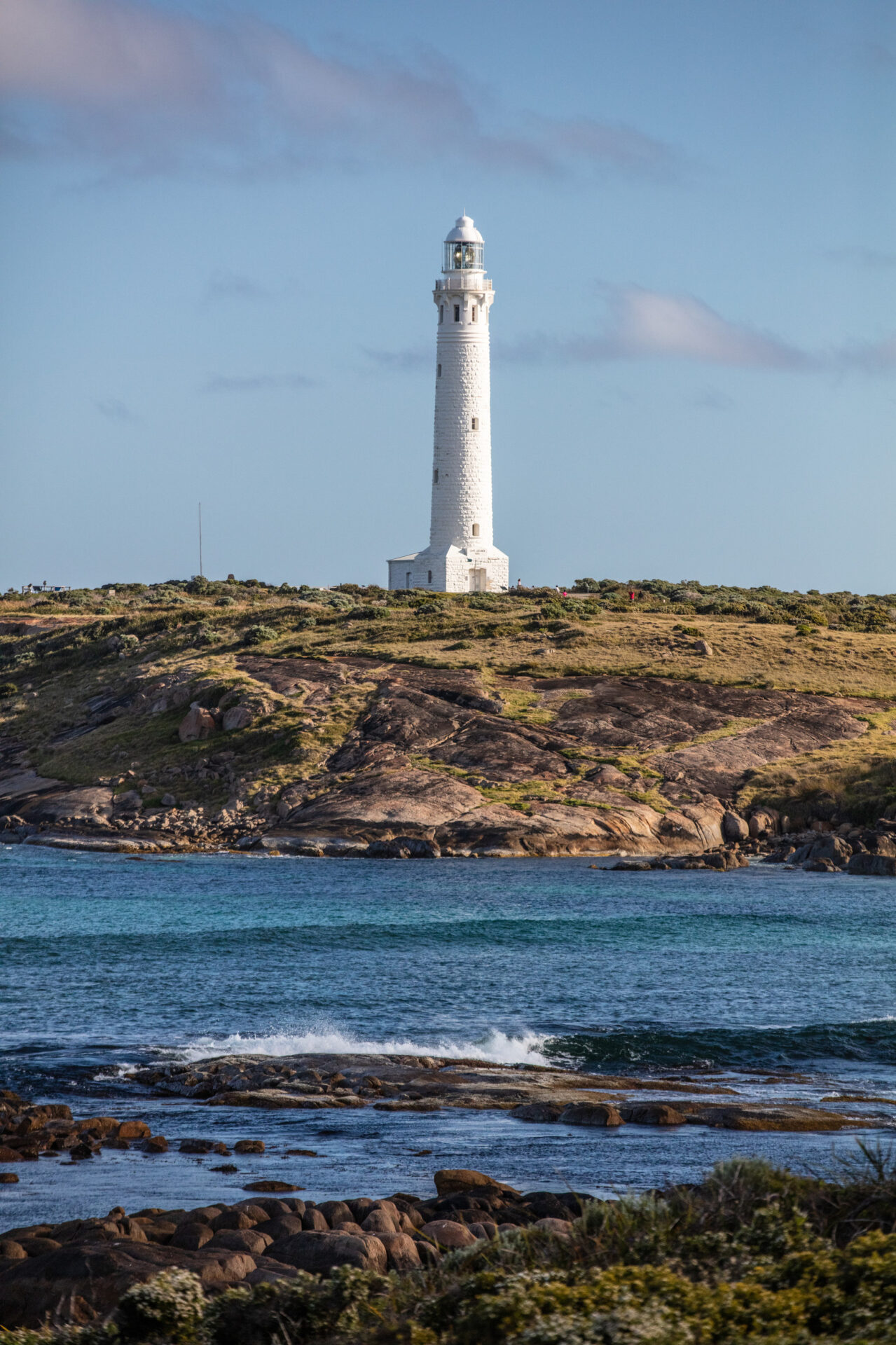
Leeuwin Lighthouse - Augusta Whale Watching

Are You Ready For Whale Watching in Augusta?

Whales Are Coming to Augusta – Are You Ready?

As autumn settles in across the South West, there is an unmistakable sense of excitement building in Augusta. The coastal winds shift, the temperatures cool, and the mighty humpback and southern right whales begin their annual migration along Western Australia’s coastline. At Legend Charters, we are preparing for another incredible Augusta whale watching season — and this year, there is even more to look forward to.

Whether you have joined us before or are planning your first adventure, there is something truly unforgettable about witnessing these ocean giants in the wild. Augusta, with its pristine waters and dramatic coastline, offers one of the best locations in Australia to get up close with migrating whales. And the best part? The action kicks off at the end of May!

Why Augusta?

Augusta is one of the first places in the South West where whales are spotted each year. Thanks to its prime position at the meeting point of the Southern and Indian Oceans, it becomes a whale hotspot during the early stages of the northern migration. The calm, sheltered waters of Flinders Bay create the perfect environment for whales to rest, socialise, and sometimes even give birth.

This means you are likely to see not just one or two whales, but many — often travelling in pods, breaching dramatically, tail-slapping, and showing off their size and grace. For photographers, nature lovers, and families alike, it is an awe-inspiring experience not to be missed.

What Can You Expect on a Tour?

Aboard a Legend Charters whale watching tour, you can expect a relaxed, informative, and up-close encounter with these incredible marine mammals. Every tour is led by experienced crew members who are passionate about sharing their knowledge of the whales, their behaviours, and the rich marine ecosystem of the region.

From the moment we leave the Augusta Boat Harbour, the adventure begins. Keep your eyes peeled for the blow of a humpback on the horizon or the shadowy shape of a southern right whale just beneath the surface. Dolphins, sea birds, and the occasional New Zealand fur seal are also common companions during the journey.

Tours depart daily from late May through August, and each trip offers something different. No two tours are ever the same — which is exactly what makes it so special.

Something Big Is Coming…

We are not just preparing for whale season — we are preparing for something brand new. Behind the scenes, our beloved catamaran The Alison Maree is undergoing an exciting upgrade, and while we are keeping most of the details under wraps for now, we promise it will take your whale watching experience to the next level.

Expect more comfort, more features, and a few surprises that will make your time on the water even more enjoyable. We cannot wait to reveal the full transformation later this month, so stay tuned to our social media channels and website for the big unveiling.

Join Us in Augusta This Season

If you have never been whale watching in Augusta, now is the perfect time to plan your visit. And if you have, we promise this year will be even more memorable. With whales arriving at the end of May and the return of our upgraded vessel on the horizon, 2025 is shaping up to be one of the best seasons yet.

Make sure to book early, as tours are expected to fill quickly — especially once word gets out about our exciting upgrade.

See you on the water!