Two humpback whales tail slapping during a Naturaliste Charters Whale Watching Eco Tour from Dunsborough

Eco Magic in Dunsborough

Dunsborough Eco Tours Reveal Incredible Blue Whale Encounters

The 2025 Dunsborough eco tour season has been nothing short of spectacular, delivering the kind of ocean encounters that stay with you long after the tour ends. Geographe Bay has a reputation for calm waters and extraordinary wildlife, and this year it truly lived up to its name. Passengers aboard our eco cruises enjoyed more pygmy blue whale sightings than usual, giving them front-row views of one of the planet’s most impressive marine species.

Each time one of these blue giants surfaced, the energy on the deck shifted. Guests would hurry to the rails as the long dark body rose slowly from the depths, gliding quietly beside the vessel. Their scale alone is astonishing, but it is their calm presence that leaves the biggest impression. These sightings were a standout feature of the season, offering both breathtaking moments and valuable opportunities for our crew to document rarely seen behaviours.

Humpback Highlights Throughout the Season

The humpback whales were equally determined to make this season unforgettable. From the first week of September, the momentum never stopped. Legend Charters proudly upheld its 98% whale sighting rate, giving guests an incredibly reliable chance to witness the southern migration as it passed the lee of Cape Naturaliste. Mothers with calves were a regular highlight, resting and nurturing their young in the calm, protected waters of the bay.

Our eco tours are designed to bring guests closer to nature, and this season delivered countless memorable moments. We saw energetic juvenile humpbacks breaching in open water, gentle mothers guiding calves along the coastline and adults communicating through blows, rolls and pectoral waves. Dolphins often joined the tours, bow-riding and adding a burst of excitement to already lively days. The bay is also a hotspot for bird activity, with gannets, shearwaters and albatrosses joining the spectacle.

Crew Photography Supports Ongoing Marine Monitoring

Throughout the season, our crew continued gathering behavioural observations for scientific monitoring programs, supported by onboard photography that helps identify individual whales and track returning animals across years. Our team capture images of dorsal fins, flukes and distinctive markings, which contribute to valuable long-term data sets and ongoing cetacean research in the region.

Legend Charters’ eco tours have always focused on education, connection, and respect for the marine environment. We take pride in welcoming passengers of all ages, many of whom return each year to experience the Dunsborough season with family and friends. Our guides share stories of whale biology, behaviour, conservation programs and the cultural significance of the region, creating a deeper appreciation for the wildlife encountered on each tour.

Wildlife Encounters Beyond the Whales

As the season approached its finale, interactions with large pods of dolphins, feeding seabirds and even the occasional seal added more variety. Guests described many mornings as “National Geographic moments”, where calm seas and active whales combined to create unforgettable magic on the water.

Bremer Canyon Killer Whale Season Returns

With the Dunsborough season approaching its finale, excitement builds for what comes next. The Alison Maree will soon travel south to Bremer Bay to begin the annual Killer Whale (Orca) season. The Bremer Canyon is unlike anywhere else in Australia—a deep offshore world filled with extraordinary wildlife, powerful interactions and dramatic encounters. From early December, guests can witness coordinated orca hunts, pilot whales travelling in impressive pods, rare sightings of beaked whales and even giant squid events that attract apex predators.

The canyon’s ecosystem is driven by nutrient-rich upwellings that fuel a dense marine food web. For visitors, this means experiencing ocean life at its most raw and natural. Guests onboard often describe it as stepping into a living documentary.

As we celebrate one of Dunsborough’s strongest eco seasons in recent years, we invite you to join us for the final tours of spring—or travel south to meet the orcas in their powerful offshore world.

Book your Dunsborough

Book Dunsborough Eco Tours:
https://naturalistecharters.com.au/dunsboroughwhalewatching/

Book Bremer Bay Killer Whale Expeditions:
https://naturalistecharters.com.au/bremercanyonkillerwhales/

Killer Whales of Western Australia

Killer Whales of Western Australia

Why Bremer Bay Is Their Seasonal Home

Every summer, off the wild southern coastline of Western Australia, a remarkable gathering takes place. Hundreds of killer whales, or orcas, converge in the deep waters off Bremer Bay. From December to April, the remote Bremer Canyon becomes a stage for hunting, socialising and scientific discovery. It is one of the few places on Earth where visitors can reliably encounter these apex predators in the wild.

Why Bremer Bay?

The secret lies beneath the surface. The Bremer Canyon is a massive submarine system stretching thousands of metres deep into the continental shelf. Here, cold, nutrient-rich water rises from the abyss — a process called upwelling. This natural event fuels blooms of plankton that support fish, squid and whales. For killer whales, it is a seasonal feast.

These conditions make Bremer Bay a biological hotspot. Orcas return year after year, drawn by abundant prey and stable ocean currents. The area’s remoteness and pristine environment also help sustain this delicate balance between predator and ecosystem.

The science behind the sightings

Since Naturaliste Charters began operating expeditions in Bremer Bay, scientists have documented more than 200 individual orcas across several pods (Project ORCA). Through photo-identification, drone observation and acoustic recording, researchers now understand more about the behaviour and communication of these animals than ever before.

Each pod has its own culture — distinct hunting methods, dialects and family hierarchies. Some specialise in hunting squid, while others target beaked whales or tuna. This diversity of feeding behaviour highlights the adaptability and intelligence of killer whales in the Southern Ocean (NOAA Fisheries).

The social side of orcas

Watching orcas in Bremer Canyon is like glimpsing into a parallel society. Females lead their pods, passing knowledge through generations. Calves are nurtured and taught to hunt cooperatively. Playful displays, spy-hops and breaches reveal complex social interactions that go far beyond survival.

Scientists believe this intricate social structure is key to their success. It allows Bremer Bay orcas to coordinate hunts with precision and communicate across large distances. These behaviours have earned them the reputation of being the ocean’s most intelligent and strategic predators.

Changing oceans, shifting patterns

While Bremer Bay remains a sanctuary, global ocean changes are influencing whale movements. Warming waters and shifting prey distributions could alter the timing or scale of future gatherings (Whales and Climate Programme). Monitoring these changes helps researchers predict how killer whales may adapt in coming decades.

By joining a Bremer Bay Killer Whale Expedition, you contribute to that ongoing research. Passenger observations and photographs often assist scientists in identifying individuals and understanding pod dynamics over time.

A natural spectacle beyond comparison

Every expedition into the Bremer Canyon offers a new story. The journey to the feeding grounds aboard Alison Maree passes rugged cliffs and the meeting point of two mighty oceans. Out at sea, anticipation builds until a tall black dorsal fin cuts through the waves. Then, suddenly, the Southern Ocean comes alive.

Pods work together to chase prey, juveniles mimic adults, and birds swirl overhead in a frenzy of motion. It is pure nature — unpredictable, powerful and unforgettable. Encounters like these inspire a deep respect for the fragile balance of the marine world.

Protecting Western Australia’s orcas

Naturaliste Charters is proud to collaborate with marine researchers and conservation organisations to study and safeguard this unique population. By combining eco-tourism with science, every Bremer Bay Orca Tour helps raise awareness and protect the region’s biodiversity. Responsible whale watching ensures minimal disturbance while maximising educational value for guests.

Understanding the role of killer whales in Western Australia’s ecosystems reminds us that preserving their habitat benefits all marine life — from plankton to whales and everything in between.

Plan your encounter with the ocean’s apex predator

The Bremer Canyon Killer Whale Expedition Season begins each December, continuing through to April. Departing daily from Bremer Bay Boat Harbour, tours are led by expert marine biologists who bring the science of the canyon to life.

Join Naturaliste Charters — Western Australia’s original orca operator — and witness the world’s most powerful predator in its natural environment. It is more than whale watching; it is a window into one of the ocean’s most complex ecosystems.


References

  1. Project ORCA AustraliaBremer Canyon Research Initiative

  2. NOAA FisheriesKiller Whale (Orca) Information

  3. Whales and Climate ProgrammeWhales and Climate Research

  4. CSIRO Marine ResearchSouthern Ocean Ecosystem Dynamics

an incredible moment in Geographe Bay near Dunsborough when a humpback whale breaches out of a calm ocean, rows of homes decorating the hilly background along the shores

Whale Watching Highlights from Dunsborough

A Season of Whale Wonders

Every year from late August through to November, Dunsborough becomes one of the best places in Australia to witness the southbound whale migration. The calm, sheltered waters of Geographe Bay provide a perfect resting stop for Humpback Whales on their long journey south. Southern Right Whales also make appearances with their young, and late in the season, the mighty Blue Whale can even be spotted. This unique mix of species, combined with the stunning coastal backdrop, makes Dunsborough a world-class whale watching destination.

As the season begins, the action has already been incredible. Here’s a look back at the highlights from our first few tours of spring.

1 September – Opening Day Fireworks

The new month began with a bang, or rather, with explosions of white water in every direction. On the morning tour, two sub-adult humpbacks entertained us with non-stop breaches and head lunges, while other groups joined in with pectoral slaps and tail slaps. The energy was electric, a rare treat to witness such behaviour continuously throughout an entire trip.

The afternoon carried on with the same spirit. A juvenile humpback gave us series after series of spectacular breaches, leaping as if spring had inspired it. Larger whales joined the display with enormous pectoral slaps and rolling breaches right towards the vessel. It was a thrilling way to welcome in the first day of spring, with over 100 breaches spotted between both tours.

A humpback whale breaching in geographe bay

2 September – Minke Magic

The following morning delivered a rare surprise — the sleek form of a Dwarf Minke whale darting around the boat. This elusive species only appears in Geographe Bay occasionally, and to see it circling us for half an hour was unforgettable. Another Minke kept its distance, while humpbacks and even a resting Southern Right whale completed a spectacular variety of sightings. The highlight came with six humpbacks socialising around the boat, four of which mugged us, swimming just beneath the surface and greeting our guests.

The afternoon tour brought calm glossy waters and sunshine, with humpbacks scattered across the bay. Some gave us deep fluke dives, while others put on breaching displays in the distance. A curious whale even rolled on its side beside Ali Maree, eyeing us before slipping back beneath the water. It was the perfect coastal cruise, framed by small groups of whales gracefully making their way south.

3 September – Mugging Mayhem

Morning brought calm seas and bright skies, the ideal stage for more action. After spotting pectoral slapping whales in the distance, we were delighted when four humpbacks broke away and swam right up to mug us. For an hour we watched spy hops, pec slaps, and close looks at the vessel before a pod of bottlenose dolphins escorted us back to Quindalup.

The afternoon was equally breathtaking. Five whales surrounded the boat, circling and rolling for nearly 40 minutes. Guests were treated to eye-level spy hops and friendly inspections as the pod competed for closest approach. On the way back, two sub-adults tail slapped powerfully, bringing the tour to a dramatic close. Mugging season had well and truly arrived.

4 September – Southern Right Surprise

Geographe Bay continued its run of incredible encounters. On the morning tour, tail slaps and pec slaps filled the horizon before a Southern Right whale surfaced beside a pair of humpbacks. We were spoiled with spy hops, close passes, and a synchronised display of pectoral slapping. Further out, more humpbacks added epic tail slaps to end an action-packed trip.

The afternoon tour was a relaxed spectacle of sunshine and playful whales. Small groups surrounded the boat, breaches erupted in the distance, and two cheeky juveniles swam alongside us. To cap it all off, a final massive breach erupted just as we turned for home — the perfect farewell before the cold front rolled in.

 a tail slap from a humpback whale

Plan Your Whale Watching Adventure

Dunsborough’s whale watching season runs from late August through to November, showcasing the southbound migration of Humpbacks, Southern Rights, and even the mighty Blue Whale. With mugging encounters, rare species, and playful displays already unfolding, this spring promises to be one to remember.

Join us on board for your chance to witness the magic of Geographe Bay this season. You can book your tour now through Naturaliste Charters Whale Watching.

Double Flukes humpback whales in Augusta

Augusta Whale Watching Season

2025 Augusta Whale Watching season is off to a spectacular start, and it is already proving to be one of the most memorable in recent years. With daily sightings and calm conditions across Flinders Bay, this season has offered consistent opportunities for visitors to witness some of the world’s most majestic marine creatures.

Daily Humpback Sightings and Early Southern Right Whales

Since launching our season in late May, we have been thrilled to report daily sightings of migrating humpback whales. These gentle giants have been putting on incredible displays — breaching, tail-slapping, and interacting with each other just metres from the boat.

Adding to the excitement, we have already had our first confirmed sightings of southern right whales. These typically appear a little later in the season, so their early arrival suggests this could be a bumper year for encounters. Guests have been lucky to spot mothers and calves moving close to the sheltered waters of the bay, using the region as a resting and bonding area.

A humpback whale breaching in Flinders Bay

Upgrades to Alison Maree Enhance the Experience

This year also marks the return of our flagship vessel, Alison Maree, following a series of exciting upgrades between seasons. The boat now features expanded viewing decks, improved stability, and enhanced seating — ensuring even greater comfort for all passengers, no matter the conditions.

These upgrades have made a noticeable difference. Passengers have more space to view wildlife, better shelter from the elements, and smoother rides in open water. We have already received glowing feedback from guests who appreciated the improvements while enjoying unforgettable whale encounters.

Perfect Conditions for a Winter Adventure

Winter in Augusta is a special time. The town is peaceful, the air is crisp, and the ocean is full of life. Calm seas and cool weather create ideal whale watching conditions, especially for photographers and wildlife enthusiasts seeking clear views and steady water.

Our tours depart daily at 10am and 2pm from the Augusta Boat Harbour, and we recommend booking ahead as demand increases through July and August. Whether you are a returning guest or visiting for the first time, now is the perfect moment to experience the magic of whale watching in Augusta.

Alison Maree Upgrades

Follow Our Season in Real Time

If you cannot make it just yet, be sure to follow us on social media. We post images and updates from every tour so you can stay connected to the action:

Visit our socials here:

Facebook – Naturaliste Charters Whale Watching

Facebook – Bremer Canyon Killer Whale Expeditions

Instagram – Naturalsite Charters

Naturaliste Charters Whale Watching Facebook Page
Screenshot

With weeks still to go, there is plenty of time to plan your trip and join us on the water. The 2025 Augusta Whale Watching season is shaping up to be something truly special — we hope to see you out there soon!

Book your Augusta whale watching tour today.

Whale Spotting from Augusta Western Australia

Whale Spotting in Western Australia

Discover the Magic of Whale Spotting in Augusta

Whale spotting in Western Australia is a breathtaking experience, and there is no better place to witness it than Flinders Bay in Augusta. With its calm, sheltered waters and incredible seasonal whale traffic, this stretch of coastline is a magnet for migrating whales. Here, you are not just watching from a distance—you are immersed in the wild world of the ocean’s most majestic mammals.

Whether it is the thunderous splash of a breach, the gentle arc of a tail fluke, or the stillness of a mother and calf resting together, every tour offers something new. At Legend Charters, we specialise in delivering unforgettable marine adventures that combine expert knowledge, responsible wildlife viewing, and plenty of once-in-a-lifetime moments.

Why Whale Spotting Captivates Us

There is something deeply powerful about seeing whales in the wild. Their immense size, grace, and mystery spark curiosity and awe. Whale spotting gives us rare access to a world that usually lies far below the surface. It is also a chance to slow down and simply observe—something we rarely get to do in today’s busy world.

In Flinders Bay, you are not just spotting a spout on the horizon. Instead, you might find yourself face-to-face with a humpback, close enough to hear its breath or see its eye. It is a moment that stays with you long after the tour ends.

The Best Time for Whale Spotting in Augusta

The whale season in Augusta runs from May to August, making it one of the earliest and most reliable whale watching destinations in Western Australia. This is when humpback whales begin their migration north from Antarctica, and southern right whales arrive to calve and nurse in the sheltered bay.

The early season (May–June) is known for energetic displays—breaches, tail slaps, and competition pods. Later in the season (July–August), the pace slows, and we often see mothers with calves resting close to shore. Both phases offer incredible whale spotting opportunities.

What You Might Spot in Flinders Bay

Whale spotting tours with Legend Charters typically encounter:

  • Humpback whales – Agile, acrobatic, and social. Known for spectacular breaches and fin slaps.

  • Southern right whales – Larger and slower, often seen resting or nurturing calves just metres from the coastline.

  • Dolphins – Often ride the bow or fish nearby, adding a playful energy to the day.

  • Australian sea lions – Occasionally spotted on rocky outcrops near the bay.

  • Seabirds – Gannets, petrels, and albatross are regular companions out on the water.

Every day on the water is different. Some days are calm and serene. Others are alive with action and energy. But all are memorable.

Join a Whale Tour With Legend Charters

At Legend Charters, we make whale spotting easy, accessible, and enjoyable for everyone. Our family-owned company has years of experience operating along the Western Australian coast, offering expert-led tours that focus on small groups and genuine wildlife encounters.

Our vessel offers:

  • Stable, spacious decks for optimal viewing

  • Onboard amenities and sheltered cabins for comfort

  • Knowledgeable, passionate crew including marine guides

  • A focus on small groups for a personalised experience

We operate with respect for wildlife, keeping safe distances and following best-practice guidelines that prioritise the whales’ wellbeing while still allowing incredible up-close moments.

Flinders Bay: A Natural Whale Nursery

Flinders Bay is a unique and protected marine environment. Its geography offers calm waters shielded from strong ocean swells, which is exactly why so many whales choose it as a rest stop or nursery.

We are occasionally lucky enough to encounter southern right whale calves resting close to their mothers in the shallows. These moments are incredibly moving—seeing a calf surface beside its mum, learning to breathe and swim, is something you will never forget.

It is this consistency, combined with the stunning coastal backdrop and rich marine biodiversity, that makes Augusta the go-to spot for whale spotting in WA.

Tips for Spotting More Whales on Tour

Want to make the most of your time on the water? Here are some simple ways to boost your whale spotting success:

  • Dress warmly: Even on sunny days, ocean wind can chill you quickly.

  • Watch the horizon: Whale blows often look like little puffs of smoke.

  • Listen closely: You can often hear whales before you see them.

  • Ask questions: Our guides are here to help you learn and engage.

  • Stay patient: Nature moves at its own pace—and always rewards those who wait.

What Else You Might See

Beyond whales, our tours often cruise past St Alouarn and Seal Islands, known for their colonies of Australian fur seals and seabirds. These rocky outcrops provide incredible photo opportunities and add even more wildlife variety to your day on the water.

Sometimes, you will also spot bottlenose dolphins riding the wake of the boat or hunting inshore. These interactions round out a truly wild West Aussie experience.

Book Your Whale Spotting Adventure Today

If you have never been whale spotting in Augusta before, prepare to be amazed. And if you have—then you know just how magical it can be. With Legend Charters, every tour is a new chance to connect with nature, breathe in the salty air, and witness one of the greatest migrations on the planet.

👉 Visit legendcharters.net.au to check departure times, book online, or learn more.

Flinders Bay whale watching from Augusta

Augusta Whale Watching

The Margaret River Region, Western Australia

May – August

We are fast approaching that time of the year again, where Flinders Bay, Augusta becomes a safe haven and a resting point for thousands of whales who have travelled a phenomenal distance. Leaving the feeding grounds from Antarctica more than 35,000 whales are making their incredible journey north to the warmer waters, along the way they will stop in calm bays like King George Sound, Albany as well as Flinders Bay, Augusta for that much needed break from the open waters. This provides us and many other operators along the West Australian coast line with an amazing opportunity to provide Whale Watching tours in close proximity to land, operating from beautiful bays.

Legend Charters is proud to partner with our legendary sister company Naturaliste Charters to be able to offer Augusta Whale Watching tours for the upcoming season.
Be apart of one natures best offerings and witness the mighty and graceful Humpback and Southern Right Whales as they rest and play in Flinders Bay.
Naturaliste Charters offer 2-2.5 hour family friendly whale watching experiences on board their luxury 23M Catamaran – Alison Maree.
Augusta Whale Watching Tours depart 10am and 2pm daily from May – August.

Below are some great reasons as to why you should join us for a tour:

  • Naturaliste Charters have been operating Whale Watching in the South West since 1993, they are proud to be the original Whale Watching operators in the Margaret River and South West region.
  • Flexible timings with 10am & 2pm departures daily (Weather and minimum passenger numbers permitting).
  • With a 99% success sighting rate we guarantee you will see whales or you can join us again for free.. That’s right, if you don’t see whales you can come back for FREE!!
  • Be inspired with a full commentary from our professional crew, you will learn some fun facts about the region and the whales!
  • Relax in ultimate comfort on board the modern 23M Catamaran Alison Maree ensuring spectacular views from one of the multiple viewing decks or heated cabins. There are modern toilet facilities available and you can say G’day to the Skipper in the Wheelhouse, he is very friendly and always up for a chat.
  • Naturaliste Charters are Eco Tourism certified and apart of Tourism Australia’s Signature Experiences collection.
  • Enjoy a light morning of afternoon tea of Tea, Coffee, Milo, Filtered Water and biscuits.

Where is Augusta?

Augusta is apart of the breathtaking Margaret River Region, an area known for its natural beauty, delicious produce, beautiful wildlife and award winning wines. Augusta is based at the southern end of the Margaret River Region and is approximately a 3.5 hour drive South of Perth, or a 40 minute drive from Margaret River itself.

Where do tours depart from?

Our Augusta Whale Watching tours depart from the state-of-the-art Augusta Boat Harbour. This modern boat Harbour is a real draw card for the town which boasts great facilities, including commercial and recreational boating pens, toilets and free of charge parking. You can find the Augusta Boat Harbour on Leeuwin Road, Augusta, just a 5 minute drive from the Augusta town centre.

What does an Augusta Whale Watching Tour cost?

Adults: $95

Seniors (65+): $85

Children (3-14): $55

Infants (0-2): FREE

Family Pass (2A & 2C) : $275

How can I book?

You can book direct through our website here.

Augusta Whale Watching Discovering Whale Parts

Whale Watching in Augusta: A Close Look at Whale Parts

A Close Look at Whale Parts

Whale watching in Augusta is one of Western Australia’s most breathtaking wildlife encounters. From late May until August, migrating whales grace Flinders Bay, offering rare close-up views of their behaviours and anatomy. Onboard with Legend Charters, you will witness powerful tail slaps, soaring breaches, and misty blows—all while learning about essential whale parts. These body structures, from flukes to blowholes, are not just impressive to see but vital to whale survival. Whether you are a family, a nature-lover, or a curious traveller, this is your chance to explore both the majesty and the mechanics of these gentle giants.

Discovering Whale Parts

When watching whales, most people are mesmerised by their sheer size. However, every whale part plays a crucial role in survival. Let us start with the fluke—the horizontal tail fin. This muscular structure propels the whale forward and is a key feature used to identify individuals. Each fluke has unique scarring and markings, much like a human fingerprint.

Next is the dorsal fin, which varies significantly between species. On a humpback whale, the dorsal fin sits halfway down the back and appears relatively small. In contrast, orcas—though not seen in Augusta—have tall, prominent dorsal fins. These fins help with balance and stabilisation as the whale moves through the water.

Then there are the pectoral fins, or “pec fins.” On humpbacks, these fins are exceptionally long—up to one-third of their body length. Used for steering, communication, and even social play, pectoral fins are often seen during a side-roll or gentle wave at the surface.

The Blowhole and Breathing

One of the most iconic whale parts is the blowhole, located on top of the whale’s head. This is not a nostril—it is their only airway. Whales are mammals, so they must surface to breathe. When they exhale, the warm air from their lungs meets the cooler ocean air, creating the famous misty “blow.”

Humpback whales have a single blowhole, while larger whales like the blue whale have two. Blow shapes and patterns can help experienced guides identify different species from afar. Watching a whale surface and blow is often the first sign of a sighting. It is also a chance to observe the whale’s behaviour—calm breathing means cruising, while shorter intervals could mean diving.

Breaching and Surface Displays

If you are lucky, you might witness a breach—a dramatic leap from the water. No one knows exactly why whales breach. It could be to dislodge parasites, communicate, or simply for play. Regardless, it is always an unforgettable moment.

Whales also perform tail slaps, head lunges, and spy hops. Each movement reveals different whale parts in action. For example, a tail slap involves the fluke slamming down on the water’s surface. It creates a loud splash that can be heard from the vessel.

Spy hopping is when a whale rises vertically, poking its head above the surface to look around. This allows a rare glimpse of the whale’s eyes and head ridges—features not always visible during typical surfacing.

Southern Right Whale Features

Augusta is home to southern right whales, which differ noticeably from humpbacks. Their most defining whale part is the callosity pattern on their heads. These rough, white patches are hardened skin covered with barnacles and whale lice. Each whale has a distinct pattern, allowing researchers to track and identify individuals.

Southern right whales lack a dorsal fin, and their pectoral fins are shorter and paddle-shaped. They are more likely to remain near shore, offering great viewing opportunities. Their blows are V-shaped due to the two blowholes positioned wide apart—another distinctive feature you can spot easily.

Mothers, Calves and Whale Parts

During Augusta’s whale season, many females arrive with calves. Watching a mother and calf humpback interact is a heartwarming highlight. Whale calves rely heavily on their mothers, nursing several times a day.

The calf’s small fluke and short pectoral fins show how these whale parts develop over time. Mothers often guide their young by nudging them gently with their fins. You will notice the calf stays close, usually riding in the mother’s slipstream to conserve energy.

Mothers are highly protective. They may position themselves between the calf and the boat or perform defensive slaps if they feel threatened. This behaviour is why respectful, low-impact whale watching is so important.

How Whale Parts Help Science

Understanding whale parts is not just fascinating—it also helps science. Researchers track migration, behaviour, and health using physical features. For example, changes in the condition of the fluke may indicate an injury or past entanglement in fishing gear.

Some scientists use drones to photograph whale parts from above, allowing close monitoring without interference. Others collect skin and blubber samples to analyse genetics, diet, or pollutant exposure.

Whale parts also inspire technology. Engineers study the ridges on humpback pectoral fins to design more efficient wind turbines and aircraft wings. Nature, it seems, still holds many answers.

Join a Legend Charters Tour

When you join a Legend Charters whale watching tour in Augusta, you are not just sightseeing—you are learning. Our expert crew includes marine naturalists who will explain everything you are seeing, from blowholes to barnacles. You will leave with a deeper understanding of whale parts and the vital roles they play.

Each tour is tailored to ensure minimal disturbance and maximum enjoyment. With small group sizes and spacious viewing decks, every guest has a front-row seat to the action. Whether you are a first-time visitor or a seasoned wildlife lover, Augusta will capture your heart.

Book your whale watching tour today with Legend Charters. Discover the stories behind every splash and every surface—because every whale part has a purpose.

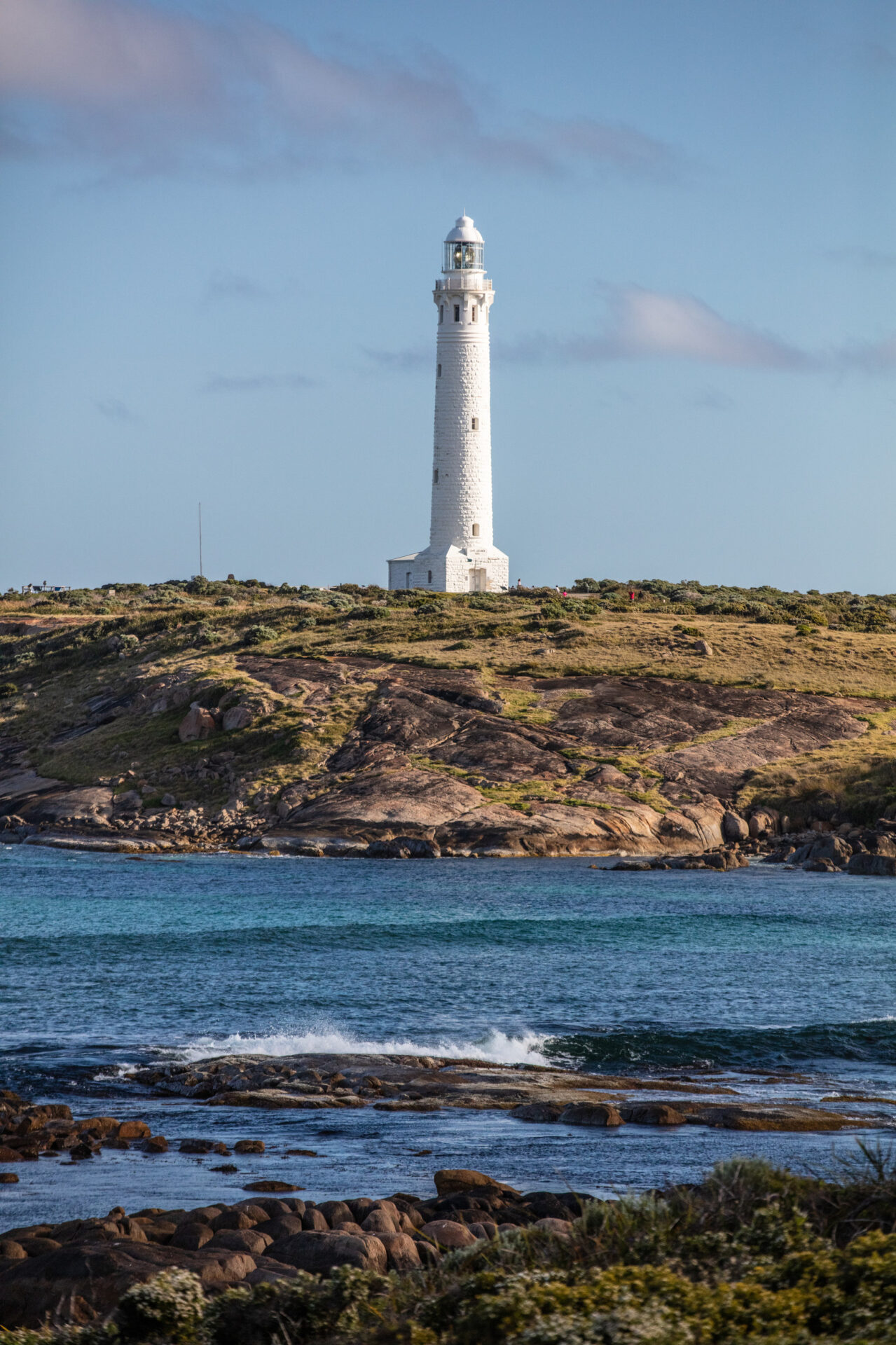
Leeuwin Lighthouse - Augusta Whale Watching

Are You Ready For Whale Watching in Augusta?

Whales Are Coming to Augusta – Are You Ready?

As autumn settles in across the South West, there is an unmistakable sense of excitement building in Augusta. The coastal winds shift, the temperatures cool, and the mighty humpback and southern right whales begin their annual migration along Western Australia’s coastline. At Legend Charters, we are preparing for another incredible Augusta whale watching season — and this year, there is even more to look forward to.

Whether you have joined us before or are planning your first adventure, there is something truly unforgettable about witnessing these ocean giants in the wild. Augusta, with its pristine waters and dramatic coastline, offers one of the best locations in Australia to get up close with migrating whales. And the best part? The action kicks off at the end of May!

Why Augusta?

Augusta is one of the first places in the South West where whales are spotted each year. Thanks to its prime position at the meeting point of the Southern and Indian Oceans, it becomes a whale hotspot during the early stages of the northern migration. The calm, sheltered waters of Flinders Bay create the perfect environment for whales to rest, socialise, and sometimes even give birth.

This means you are likely to see not just one or two whales, but many — often travelling in pods, breaching dramatically, tail-slapping, and showing off their size and grace. For photographers, nature lovers, and families alike, it is an awe-inspiring experience not to be missed.

What Can You Expect on a Tour?

Aboard a Legend Charters whale watching tour, you can expect a relaxed, informative, and up-close encounter with these incredible marine mammals. Every tour is led by experienced crew members who are passionate about sharing their knowledge of the whales, their behaviours, and the rich marine ecosystem of the region.

From the moment we leave the Augusta Boat Harbour, the adventure begins. Keep your eyes peeled for the blow of a humpback on the horizon or the shadowy shape of a southern right whale just beneath the surface. Dolphins, sea birds, and the occasional New Zealand fur seal are also common companions during the journey.

Tours depart daily from late May through August, and each trip offers something different. No two tours are ever the same — which is exactly what makes it so special.

Something Big Is Coming…

We are not just preparing for whale season — we are preparing for something brand new. Behind the scenes, our beloved catamaran The Alison Maree is undergoing an exciting upgrade, and while we are keeping most of the details under wraps for now, we promise it will take your whale watching experience to the next level.

Expect more comfort, more features, and a few surprises that will make your time on the water even more enjoyable. We cannot wait to reveal the full transformation later this month, so stay tuned to our social media channels and website for the big unveiling.

Join Us in Augusta This Season

If you have never been whale watching in Augusta, now is the perfect time to plan your visit. And if you have, we promise this year will be even more memorable. With whales arriving at the end of May and the return of our upgraded vessel on the horizon, 2025 is shaping up to be one of the best seasons yet.

Make sure to book early, as tours are expected to fill quickly — especially once word gets out about our exciting upgrade.

See you on the water!

Augusta Whale Watching Commences soon for 2025

Whale Watching in Augusta – Season Start March 2025

Augusta Whale Watching Season Begins This May with Legend Charters 🐋

The wait is over — whale season is almost here! Starting late May, join Legend Charters in Augusta for an unforgettable encounter with the giants of the sea. Our whale watching tours are back, and there’s no better place to experience the start of the humpback and southern right whale migration than the wild, beautiful coastline of Flinders Bay.


Why Augusta?

Augusta is one of the first places in Australia to welcome whales each year. Thousands of humpback whales begin their northern migration from Antarctica, stopping to rest and play in the calm, protected waters of Flinders Bay. As the season continues, southern right whales also make their way into the bay — some even bringing newborn calves. This special corner of the South West offers close-up sightings in a truly spectacular natural setting.


What You’ll See on Our Tours

From late May through early spring, guests can witness humpback whales breaching, tail-slapping, spy-hopping, and cruising alongside the boat. Southern right whales are often seen lazing close to shore or resting with their calves. Tours may also encounter pods of bottlenose dolphins, Australian sea lions, New Zealand fur seals, and an array of seabirds like shearwaters and albatross. Each day on the water is different, with new wildlife encounters and behaviours to discover.


Explore More While You’re Here

Augusta offers plenty to enjoy before or after your whale watching tour. Visit Cape Leeuwin Lighthouse — where the Indian and Southern Oceans meet — and explore the stunning coastline. Take a peaceful walk along the Augusta River Mouth or through the towering Boranup Karri Forest. Discover the region’s maritime heritage at the Augusta Historical Museum or sample local wines and produce at nearby cellar doors and cafés. Whether you’re here for a weekend or a week, there’s something for everyone to enjoy.


Why Choose Legend Charters?
Legend Charters offers small-group whale watching tours with a personal touch. With fewer passengers onboard, you’ll enjoy better views, more comfort, and a deeper connection with the experience. Our passionate crew provides expert commentary and ensures every guest feels welcome and looked after. We’re proudly local, environmentally responsible, and committed to showcasing the best of Augusta’s marine wildlife.


Book Your Augusta Whale Watching Adventure Today

Spaces fill quickly during peak season — especially during school holidays and long weekends. Join us for an unforgettable day on the water this whale season.
👉 Book now at naturalistecharters.com.au/augustawhalewatching

A killer whale amongst the pilot whales in Bremer Bay

Orca Predation in Bremer Canyon

Understanding Orca Predation in Bremer Canyon

The Bremer Canyon, located off the southern coast of Western Australia, is one of the few places in the world where people can regularly witness killer whales—also known as orcas—engaging in natural predation events. This deep-sea canyon draws nutrient-rich waters to the surface, creating a thriving ecosystem that attracts a variety of marine species, including these powerful apex predators.

Between December and April, orcas gather here in remarkable numbers, offering a rare glimpse into their social dynamics and hunting strategies. From coordinated attacks on large prey to opportunistic feeding, the orca predation behaviour observed in Bremer Canyon provides valuable insights into their intelligence and adaptability.

Let’s dive into some of the most recent sightings and behaviours witnessed over the past two months in this unique marine environment.

The Bremer Canyon: A Hub of Orca Activity

The Bremer Canyon has become one of the most sought-after whale watching destinations globally, with over 100 orcas returning annually from December to April. This submarine canyon offers a unique opportunity to observe these predators in their natural habitat, engaging in activities ranging from hunting to socialising within family groups.Australian Wildlife Journeys

Observing Orca Predation in Bremer Canyon

Visitors to the Bremer Canyon often witness orcas employing various hunting strategies. These may include coordinated group tactics to herd and capture prey, showcasing their intelligence and social cooperation. The spectacle of orcas chasing and devouring their prey is breathtaking, with seabirds like albatrosses and shearwaters often scavenging the remnants.Wikipedia+5Australian Wildlife Journeys+5Wikipedia+5The Guardian+2Wikipedia+2Australian Wildlife Journeys+2

Recent Insights into Orca Diet and Hunting Techniques

Recent studies have shed light on the dietary preferences of orcas in Australian waters. In October 2023, a 4.7-meter great white shark carcass washed ashore in southwest Victoria, missing key organs such as its liver. DNA analysis linked the bite marks to local orcas, confirming that they hunt great white sharks and selectively consume their livers. This behavior underscores the orca’s role as a formidable apex predator and highlights their impact on marine ecosystems.The Guardian

The Role of Ecotourism in Understanding Orca Behaviour

Ecotourism ventures in the Bremer Marine Park provide invaluable opportunities for both the public and researchers to observe orca predation firsthand. These expeditions not only offer unforgettable experiences but also contribute to ongoing scientific studies by facilitating data collection and fostering a deeper appreciation for marine life. However, it’s essential to manage tourism activities responsibly to minimise disturbances to these intelligent creatures and their environment.Wikipedia

Killer Whale Predation Highlights – 2025 Bremer Canyon Season

The 2025 season at Bremer Canyon has been one for the record books. With multiple killer whale predation events captured across the summer, both guests and guides have been treated to front-row seats of nature at its most raw and thrilling. Below, we dive into four key moments this season that showcase the skill, strength, and strategy of the ocean’s top predator.

26 January 2025 – Australia Day Action

Australia Day took a wild turn in Bremer Canyon, where the orcas put on a stunning show of coordinated hunting. The pod was first seen moving with intensity—purpose in every surfacing. Before long, the reason became clear. The pod had isolated prey and were launching a full-scale predation event.

Powerful tail slaps created walls of water, and there was a brief moment of stillness before the sea erupted again in a flurry of black fins and frothy water. As the hunt reached its climax, seabirds circled above, opportunistically waiting for leftovers. The aftermath included a large oil slick and signs of successful feeding.

It was a textbook example of orca behaviour—highly intelligent, strategic, and efficient. The entire experience left the guests stunned, and the guides knew they’d just witnessed something extraordinary.


4 March 2025 – Clues Before the Canyon

Even before the vessel reached the shelf break that morning, something felt different. The sea was alive. Birds were diving, fish were schooling erratically, and the water held that familiar sheen that hints at recent activity. Moments later, orcas were spotted moving calmly but with the clear body language of a pod that had just finished feeding.

While the actual predation event had occurred earlier, the clues left behind painted a vivid picture. An oily slick floated on the surface, and small fish—perhaps scattered during the chaos—still lingered near the site. It was a reminder that, even when we don’t witness the hunt, the signs are there for those who know where to look.

This day stood out as a quieter but equally fascinating insight into orca feeding behaviour. It was a chance to interpret the evidence and reconstruct what had unfolded hours earlier in the deep blue.


16 March 2025 – Predation in the Air

There’s a particular scent that lingers in the air after a killer whale kill—a mix of oil, prey, and sea—and this morning, it was unmistakeable. The tour began with an oily slick drifting across the surface, seabirds sitting heavy and content on the water, and orcas moving slowly in a loose formation nearby.

Though the moment of the kill had passed, the signs of a successful hunt were everywhere. The pod appeared to be resting, likely after a high-energy chase. Guests got to witness the aftermath: the calm after the storm, the moment where nature pauses to digest both its meal and the moment.

This sighting reminded us that orca predation isn’t always about the chase—sometimes it’s about reading the water and appreciating the subtle evidence left behind.


23 March 2025 – Double Predation Day

Some days deliver more than you ever expect—and 23 March was one of those days.

The morning started with explosive action. A pod of orcas began a full-speed pursuit, corralling their prey with remarkable synchrony. The water turned turbulent, with breaches and lunges as the pod closed in. Within minutes, the hunt was over—swift and precise.

But nature wasn’t done yet.

Later that same day, another group within the same region initiated a second predation event. The energy on the vessel was electric. Two hunts in a single expedition is a rarity, and each one offered different behaviours—from aggressive chases to slow, calculated manoeuvres.

Guests onboard experienced something few people on the planet ever will—back-to-back killer whale predations in the wild. It was a day of adrenaline, awe, and absolute wonder.


The Legacy of the 2025 Season

This season has cemented Bremer Canyon as one of the world’s most significant natural theatres for observing orca behaviour. These events are more than just spectacles—they’re insights into a complex, intelligent species that continues to surprise and inspire us.

If you were lucky enough to be onboard during one of these days, you know the feeling: heart racing, breath caught, eyes wide. And if you weren’t? There’s always next season.