Killer Whales of Western Australia

Killer Whales of Western Australia

Why Bremer Bay Is Their Seasonal Home

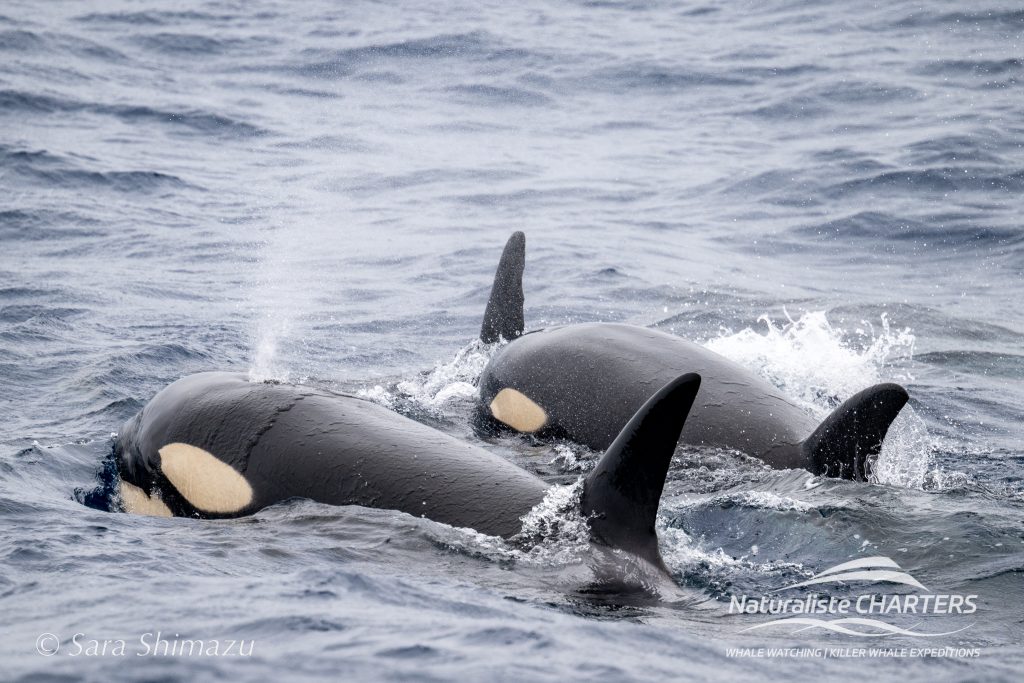
Every summer, off the wild southern coastline of Western Australia, a remarkable gathering takes place. Hundreds of killer whales, or orcas, converge in the deep waters off Bremer Bay. From December to April, the remote Bremer Canyon becomes a stage for hunting, socialising and scientific discovery. It is one of the few places on Earth where visitors can reliably encounter these apex predators in the wild.

Why Bremer Bay?

The secret lies beneath the surface. The Bremer Canyon is a massive submarine system stretching thousands of metres deep into the continental shelf. Here, cold, nutrient-rich water rises from the abyss — a process called upwelling. This natural event fuels blooms of plankton that support fish, squid and whales. For killer whales, it is a seasonal feast.

These conditions make Bremer Bay a biological hotspot. Orcas return year after year, drawn by abundant prey and stable ocean currents. The area’s remoteness and pristine environment also help sustain this delicate balance between predator and ecosystem.

The science behind the sightings

Since Naturaliste Charters began operating expeditions in Bremer Bay, scientists have documented more than 200 individual orcas across several pods (Project ORCA). Through photo-identification, drone observation and acoustic recording, researchers now understand more about the behaviour and communication of these animals than ever before.

Each pod has its own culture — distinct hunting methods, dialects and family hierarchies. Some specialise in hunting squid, while others target beaked whales or tuna. This diversity of feeding behaviour highlights the adaptability and intelligence of killer whales in the Southern Ocean (NOAA Fisheries).

The social side of orcas

Watching orcas in Bremer Canyon is like glimpsing into a parallel society. Females lead their pods, passing knowledge through generations. Calves are nurtured and taught to hunt cooperatively. Playful displays, spy-hops and breaches reveal complex social interactions that go far beyond survival.

Scientists believe this intricate social structure is key to their success. It allows Bremer Bay orcas to coordinate hunts with precision and communicate across large distances. These behaviours have earned them the reputation of being the ocean’s most intelligent and strategic predators.

Changing oceans, shifting patterns

While Bremer Bay remains a sanctuary, global ocean changes are influencing whale movements. Warming waters and shifting prey distributions could alter the timing or scale of future gatherings (Whales and Climate Programme). Monitoring these changes helps researchers predict how killer whales may adapt in coming decades.

By joining a Bremer Bay Killer Whale Expedition, you contribute to that ongoing research. Passenger observations and photographs often assist scientists in identifying individuals and understanding pod dynamics over time.

A natural spectacle beyond comparison

Every expedition into the Bremer Canyon offers a new story. The journey to the feeding grounds aboard Alison Maree passes rugged cliffs and the meeting point of two mighty oceans. Out at sea, anticipation builds until a tall black dorsal fin cuts through the waves. Then, suddenly, the Southern Ocean comes alive.

Pods work together to chase prey, juveniles mimic adults, and birds swirl overhead in a frenzy of motion. It is pure nature — unpredictable, powerful and unforgettable. Encounters like these inspire a deep respect for the fragile balance of the marine world.

Protecting Western Australia’s orcas

Naturaliste Charters is proud to collaborate with marine researchers and conservation organisations to study and safeguard this unique population. By combining eco-tourism with science, every Bremer Bay Orca Tour helps raise awareness and protect the region’s biodiversity. Responsible whale watching ensures minimal disturbance while maximising educational value for guests.

Understanding the role of killer whales in Western Australia’s ecosystems reminds us that preserving their habitat benefits all marine life — from plankton to whales and everything in between.

Plan your encounter with the ocean’s apex predator

The Bremer Canyon Killer Whale Expedition Season begins each December, continuing through to April. Departing daily from Bremer Bay Boat Harbour, tours are led by expert marine biologists who bring the science of the canyon to life.

Join Naturaliste Charters — Western Australia’s original orca operator — and witness the world’s most powerful predator in its natural environment. It is more than whale watching; it is a window into one of the ocean’s most complex ecosystems.


References

  1. Project ORCA AustraliaBremer Canyon Research Initiative

  2. NOAA FisheriesKiller Whale (Orca) Information

  3. Whales and Climate ProgrammeWhales and Climate Research

  4. CSIRO Marine ResearchSouthern Ocean Ecosystem Dynamics

A killer whale amongst the pilot whales in Bremer Bay

Orca Predation in Bremer Canyon

Understanding Orca Predation in Bremer Canyon

The Bremer Canyon, located off the southern coast of Western Australia, is one of the few places in the world where people can regularly witness killer whales—also known as orcas—engaging in natural predation events. This deep-sea canyon draws nutrient-rich waters to the surface, creating a thriving ecosystem that attracts a variety of marine species, including these powerful apex predators.

Between December and April, orcas gather here in remarkable numbers, offering a rare glimpse into their social dynamics and hunting strategies. From coordinated attacks on large prey to opportunistic feeding, the orca predation behaviour observed in Bremer Canyon provides valuable insights into their intelligence and adaptability.

Let’s dive into some of the most recent sightings and behaviours witnessed over the past two months in this unique marine environment.

The Bremer Canyon: A Hub of Orca Activity

The Bremer Canyon has become one of the most sought-after whale watching destinations globally, with over 100 orcas returning annually from December to April. This submarine canyon offers a unique opportunity to observe these predators in their natural habitat, engaging in activities ranging from hunting to socialising within family groups.Australian Wildlife Journeys

Observing Orca Predation in Bremer Canyon

Visitors to the Bremer Canyon often witness orcas employing various hunting strategies. These may include coordinated group tactics to herd and capture prey, showcasing their intelligence and social cooperation. The spectacle of orcas chasing and devouring their prey is breathtaking, with seabirds like albatrosses and shearwaters often scavenging the remnants.Wikipedia+5Australian Wildlife Journeys+5Wikipedia+5The Guardian+2Wikipedia+2Australian Wildlife Journeys+2

Recent Insights into Orca Diet and Hunting Techniques

Recent studies have shed light on the dietary preferences of orcas in Australian waters. In October 2023, a 4.7-meter great white shark carcass washed ashore in southwest Victoria, missing key organs such as its liver. DNA analysis linked the bite marks to local orcas, confirming that they hunt great white sharks and selectively consume their livers. This behavior underscores the orca’s role as a formidable apex predator and highlights their impact on marine ecosystems.The Guardian

The Role of Ecotourism in Understanding Orca Behaviour

Ecotourism ventures in the Bremer Marine Park provide invaluable opportunities for both the public and researchers to observe orca predation firsthand. These expeditions not only offer unforgettable experiences but also contribute to ongoing scientific studies by facilitating data collection and fostering a deeper appreciation for marine life. However, it’s essential to manage tourism activities responsibly to minimise disturbances to these intelligent creatures and their environment.Wikipedia

Killer Whale Predation Highlights – 2025 Bremer Canyon Season

The 2025 season at Bremer Canyon has been one for the record books. With multiple killer whale predation events captured across the summer, both guests and guides have been treated to front-row seats of nature at its most raw and thrilling. Below, we dive into four key moments this season that showcase the skill, strength, and strategy of the ocean’s top predator.

26 January 2025 – Australia Day Action

Australia Day took a wild turn in Bremer Canyon, where the orcas put on a stunning show of coordinated hunting. The pod was first seen moving with intensity—purpose in every surfacing. Before long, the reason became clear. The pod had isolated prey and were launching a full-scale predation event.

Powerful tail slaps created walls of water, and there was a brief moment of stillness before the sea erupted again in a flurry of black fins and frothy water. As the hunt reached its climax, seabirds circled above, opportunistically waiting for leftovers. The aftermath included a large oil slick and signs of successful feeding.

It was a textbook example of orca behaviour—highly intelligent, strategic, and efficient. The entire experience left the guests stunned, and the guides knew they’d just witnessed something extraordinary.


4 March 2025 – Clues Before the Canyon

Even before the vessel reached the shelf break that morning, something felt different. The sea was alive. Birds were diving, fish were schooling erratically, and the water held that familiar sheen that hints at recent activity. Moments later, orcas were spotted moving calmly but with the clear body language of a pod that had just finished feeding.

While the actual predation event had occurred earlier, the clues left behind painted a vivid picture. An oily slick floated on the surface, and small fish—perhaps scattered during the chaos—still lingered near the site. It was a reminder that, even when we don’t witness the hunt, the signs are there for those who know where to look.

This day stood out as a quieter but equally fascinating insight into orca feeding behaviour. It was a chance to interpret the evidence and reconstruct what had unfolded hours earlier in the deep blue.


16 March 2025 – Predation in the Air

There’s a particular scent that lingers in the air after a killer whale kill—a mix of oil, prey, and sea—and this morning, it was unmistakeable. The tour began with an oily slick drifting across the surface, seabirds sitting heavy and content on the water, and orcas moving slowly in a loose formation nearby.

Though the moment of the kill had passed, the signs of a successful hunt were everywhere. The pod appeared to be resting, likely after a high-energy chase. Guests got to witness the aftermath: the calm after the storm, the moment where nature pauses to digest both its meal and the moment.

This sighting reminded us that orca predation isn’t always about the chase—sometimes it’s about reading the water and appreciating the subtle evidence left behind.


23 March 2025 – Double Predation Day

Some days deliver more than you ever expect—and 23 March was one of those days.

The morning started with explosive action. A pod of orcas began a full-speed pursuit, corralling their prey with remarkable synchrony. The water turned turbulent, with breaches and lunges as the pod closed in. Within minutes, the hunt was over—swift and precise.

But nature wasn’t done yet.

Later that same day, another group within the same region initiated a second predation event. The energy on the vessel was electric. Two hunts in a single expedition is a rarity, and each one offered different behaviours—from aggressive chases to slow, calculated manoeuvres.

Guests onboard experienced something few people on the planet ever will—back-to-back killer whale predations in the wild. It was a day of adrenaline, awe, and absolute wonder.


The Legacy of the 2025 Season

This season has cemented Bremer Canyon as one of the world’s most significant natural theatres for observing orca behaviour. These events are more than just spectacles—they’re insights into a complex, intelligent species that continues to surprise and inspire us.

If you were lucky enough to be onboard during one of these days, you know the feeling: heart racing, breath caught, eyes wide. And if you weren’t? There’s always next season.

orca killer whale spy hop in Bremer Canyon

Bremer Canyon 2025 – Killer Whale Expeditions That Delivered

Bremer Canyon 2025 – Killer Whale Expeditions That Delivered

After months out on the water with Naturaliste Charters, we can confidently say 2025 has been a remarkable orca season. From mid December to March, Bremer Canyon gave us breathtaking sightings, thrilling hunts, and unforgettable wildlife moments. We witnessed powerful behaviours and delicate family bonds across a variety of orca pods. Each day offered something different, keeping us on our toes and connected to the wild.

Guests onboard experienced intimate encounters with orcas cruising beside the boat, or hunting just beyond the bow. Every trip gave us something to talk about. The range of wildlife, combined with ever-changing ocean conditions, made every expedition unique. The Bremer Canyon proved again why it’s one of Australia’s most incredible marine environments.


New Life on Display – Calves Steal the Show

One of the biggest season highlights was the birth of several new orca calves during the early part of the season. We met Wren, the bright and playful calf seen beside her mother Akama, who charmed everyone with her antics. Wren often rolled through the swell and launched into tiny spy-hops, drawing smiles from all onboard.

Just days later, we were introduced to Susu, a brand-new calf travelling with Banksey in Hermes’ pod. Susu’s orange hue and tiny stature made her easy to spot among the adults. Watching these young orcas interact, learn, and explore gave us a rare glimpse into early orca life. They stayed close to their mothers but confidently surfed waves and explored the surface.

These calves were clear signs of a healthy population, and their energy brought a sense of hope to every tour.


Incredible Orca Behaviour – From Hunts to Play

Throughout the season, we saw the full spectrum of orca behaviour—from gentle surfacings to coordinated and brutal hunting displays. One day, we witnessed a high-speed surge, followed by an oil slick and blood in the water. It was likely a beaked whale taken down by a skilled pod working together with precision.

Moments like these were intense but important. They reminded us that orcas are apex predators, evolved for efficiency and teamwork. We also enjoyed quieter moments, watching families rest, play, and socialise. We often saw spy-hopping, belly rolls, and tail slaps as pods passed by peacefully.

Chopper, the dorsal-finless orca, became a regular this season. Despite his missing fin, he moved confidently and playfully. He has become a favourite among returning guests. Males like Blackberry, Clayton, and Scotty also made rare appearances, adding another layer of excitement to already incredible days.


Marine Diversity and Rare Bird Sightings

This season wasn’t just about orcas. We cruised alongside pilot whales and saw bronze whaler sharks circling under the surface. Sunfish glided by on still days, and common dolphins often rode the bow, thrilling passengers with their speed and grace. A long-nosed fur seal surprised us by hauling out at Glasse Island—an unexpected and rare sighting.

The birdlife was spectacular, and at times, surprising. Wandering albatross followed the vessel for hours with wingspans over three metres. Shy albatross, Indian yellow-nosed albatross, and flesh-footed shearwaters were constant companions out at sea.

This year, we were lucky to spot some rare birds too, including white-chinned petrels and a single grey-headed albatross. These sightings thrilled bird enthusiasts onboard. The diversity and abundance of marine and bird life reminded us of how alive this ocean truly is.


Reflections on an Unforgettable Season

Now that the Bremer Canyon season is wrapping up, we’re reflecting on just how special this year has been. These killer whale expeditions gave us a deeper understanding of orca behaviour, family dynamics, and the ecosystem they thrive in.

We saw orcas teaching calves, socialising, and feeding. We witnessed rarely-seen males travelling between pods. Every guest left with unforgettable memories, a deeper appreciation for the ocean, and countless stories to tell.

The arrival of new calves like Wren and Susu was a standout season highlight, showing that this population is growing and healthy. We feel incredibly lucky to have shared these moments with so many passionate people.

Book your next adventure with Naturaliste Charters and experience the wonder of Bremer Canyon for yourself.

And don’t forget—whale watching in Augusta begins soon! Join us in the Margaret River Region to witness the spectacular humpback migration this winter.

Killer whales are orca and part of the dolphin family

Bremer Bay Killer Whales AKA Orcas

Bremer Bay: Killer Whales are Orcas

Bremer Bay is known as one of the best spots in Australia to see orcas. These incredible creatures are often called killer whales due to their impressive hunting skills. Orcas are apex predators, meaning they sit at the top of the food chain.

The name “killer whale” comes from their fearsome reputation, but it’s somewhat misleading. In the wild, orcas are highly skilled hunters and can take down large prey, including seals, sharks, and even whales. Their coordinated hunting strategies and powerful physique make them seem like “killers,” but they play a vital role in maintaining the balance of the ocean’s ecosystems. Killer whales are part of the dolphin family. In fact, they are the largest member of the Delphinidae, or dolphin family.

Killer Whales are members of the delphinidae family

Every year, thousands of visitors flock to Bremer Bay for the chance to witness orcas in the wild. They come to the Southern Ocean, where orca pods are frequently spotted. The Bremer Canyon, located about 70 km offshore, is an ideal place for observing these magnificent animals.

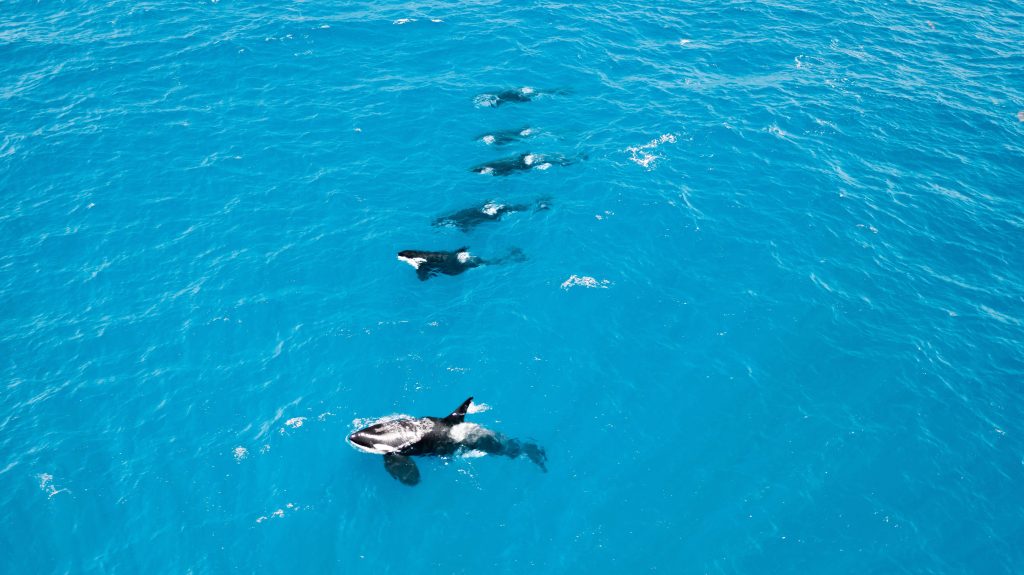
Orcas are highly social and live in tight-knit family pods. These pods often hunt together, using sophisticated strategies. The Southern Ocean offers the perfect environment for orcas to display their intelligence and teamwork.

Bremer Bay is also renowned for its stunning natural beauty. The coastline stretches for miles, offering spectacular views of the Southern Ocean. With its pristine white-sand beaches, crystal-clear waters, and dramatic cliffs, it’s an ideal place for nature lovers to explore. Popular beaches like Twelve Mile Beach and Little Boat Harbour offer the perfect setting for swimming, fishing or just soaking in the beauty of the area.

Beautiful Bremer Bay Beaches
Aerial view of Banky Beach, Bremer Bay

Bremer Bay is about 5 hours’ drive southeast of Perth, covering approximately 500 km. You can take the Albany Highway or the Brookton Highway, both offering scenic views. The Albany Highway is a more direct route, while the Brookton Highway offers a chance to explore charming small towns along the way.

For accommodation, it’s a good idea to call ahead and book, especially during peak seasons. Bremer Bay offers a range of options to suit different preferences and budgets. You can choose from camping and free camping spots, as well as well-equipped caravan parks. For a more luxurious stay, there are resort accommodations and holiday homes available for booking. Whether you prefer the simplicity of camping or the comfort of a resort, there’s something for everyone.

Peak season in Bremer Bay runs from December to April, coinciding with the killer whale migration period. This is when orca sightings are most frequent, and the town sees an influx of visitors. Booking accommodation early is recommended to ensure you have a spot during this busy time.

Naturaliste Charters purpose built catamaran The Alison Maree

When you join one of our orca – killer whale tours, you’ll experience the thrill of seeing orcas up close. Our experienced crew will ensure you have the best chance of encountering these ocean giants. Watching orcas in their natural habitat is a truly unforgettable experience. Orca are apex predators, hunters of the deep sea. Visit our sister site Naturaliste Charters to read and see a killer whale predation. !Beware it has graphic content!

If you’re a whale lover or an adventurer, Bremer Bay is the place to be. The orcas’ power, beauty, and grace make them one of the ocean’s most incredible creatures. Book your killer whale tour today for an adventure you’ll never forget.

Visiting the killer whale - orca off Bremer Bay
Visiting the killer whale – orca off Bremer Bay
Beach-combing & Four Wheel Driving in Bremer Bay

Bremer Bay Beaches & Orca Tours

Top Bremer Bay Beaches, WA

Bremer Bay is one of Western Australia’s best-kept coastal secrets, boasting pristine beaches, crystal-clear waters, and incredible marine life. While many visitors come for the world-renowned Bremer Bay killer whale expeditions, the beaches here are just as spectacular. Whether you’re after relaxation, adventure, or breathtaking scenery, these Bremer Bay beaches are a must-visit.

Native Dog Beach Bremer Bay

1. Back Beach

Back Beach is a favourite among surfers and adventure seekers. With powerful waves rolling in from the Southern Ocean, it’s an excellent spot for experienced surfers looking for a challenge. The rugged coastline and towering cliffs provide a stunning backdrop, making it a great place for photographers. While swimming here isn’t recommended due to strong currents, it’s the perfect beach for a long coastal walk with a chance to spot seabirds offshore during the season.

2. Blossoms Beach

Blossoms Beach is a family-friendly destination with calm, shallow waters ideal for swimming and snorkelling. The soft white sand and sheltered bay make it a perfect spot for a relaxing beach day. It’s also a fantastic place for fishing and paddleboarding.

3. Short Beach

If you’re looking for a secluded and peaceful beach, Short Beach is the place to be. Tucked away from the main tourist spots, this hidden gem offers crystal-clear waters and soft sand. The rock pools along the shoreline are teeming with marine life, making it a great place for exploring. Bring along a picnic and enjoy the serenity.

4. Native Dog Beach

Native Dog Beach is known for its breathtaking views and excellent conditions for four-wheel driving. With its expansive shoreline, it’s perfect for a beachside drive or a long, scenic walk. The turquoise waters contrast beautifully with the surrounding sand dunes, creating a picturesque setting.

Stunning Native Dog Beach Bremer Bay

5. John Cove

John Cove is a paradise for snorkellers and divers. The sheltered cove offers calm, clear waters and an abundance of marine life. This beach is less crowded than some of the others, providing a peaceful retreat for nature lovers. The nearby rock formations and cliffs make it a great spot for photography and exploration.

6. Bremer Bay Surf Beach (Little Dune & Big Dune)

Bremer Bay Surf Beach, often referred to as Little Dune and Big Dune, is the ultimate spot for surfers. The beach offers some of the best waves in the region, attracting both locals and visitors looking for an adrenaline rush. However, strong currents and rips can make conditions dangerous for inexperienced swimmers. If you plan to surf here, always check conditions beforehand and be cautious of powerful waves and changing tides.

Safety Warning: Some Bremer Bay beaches, including Surf Beach and Back Beach, have strong rips and unpredictable surf conditions. Always swim in designated safe areas, be aware of the ocean’s movements, and avoid swimming alone. If in doubt, stay out.

Bremer Bay has endless beaches to explore by foot or 4WD

7. Peppermint Beach

Peppermint Beach is a quiet and less frequented spot perfect for those seeking solitude. The soft sands and tranquil waters provide an excellent setting for beachcombing, sunbathing, and enjoying a good book. It’s an ideal spot for anyone looking to escape the crowds and immerse themselves in nature.

8. Dillon Bay

Dillon Bay is another incredible spot offering dramatic coastal scenery and rugged beauty. The surrounding limestone cliffs add to the picturesque landscape, making it a fantastic location for photography and sightseeing. It’s a great place for a long walk along the coast, though swimming is only advised when conditions are calm.

Experience Bremer Bay’s Famous Killer Whales

While Bremer Bay beaches are undeniably stunning, one of the most unforgettable experiences here is witnessing the majestic killer whales up close. Naturaliste Charters offers world-class killer whale expeditions, taking visitors out to the Bremer Canyon—one of the best places in the world to see these apex predators in their natural habitat. Running from December to April, these tours provide a rare opportunity to observe killer whales hunting, socialising, and playing in the wild Southern Ocean.

Bremer Bay Killer Whales tours are a big bucket list tick
Orca Tours with Naturaliste Charters, Bremer Bay

From breathtaking Bremer Bay beaches to once-in-a-lifetime wildlife encounters, Bremer Bay is a coastal paradise waiting to be explored. Whether you’re lounging on the sand or heading out on a killer whale expedition, there’s no shortage of incredible experiences in this untouched part of Western Australia.

Are Killer Whales from the Dolphin Family

Are Killer Whales Dolphins?

Are Killer Whales Dolphins or Whales?

It is a common question by our passengers, where do killer whale orcas fit into the world of mammals? Are they whales or are they dolphins? Here we give you scientific based information to answer this valid question.

Are Killer Whales Dolphins?

Killer whales, also known as orcas, are often mistaken for whales due to their name. However, they are actually the largest members of the dolphin family, Delphinidae. Despite their size and reputation as apex predators, their biological classification places them firmly among dolphins rather than whales.

Killer Whales are members of the delphinidae family
Killer Whales are members of the Delphinidae family

The Scientific Classification of Orcas

Orcas belong to the order Cetacea, which includes all whales, dolphins, and porpoises. Within this order, they are part of the family Delphinidae, which consists of oceanic dolphins. Their scientific name, Orcinus orca, reflects their historical association with the ocean’s most formidable hunters.

What Makes Orcas Dolphins?

Several key characteristics classify orcas as dolphins:

  • Echolocation: Like other dolphins, orcas use echolocation to navigate and hunt in the ocean.
  • Social Structure: They live in highly structured pods, much like other dolphin species, with complex social bonds and communication methods.
  • Intelligence: Orcas display remarkable intelligence, problem-solving skills, and even cultural learning, which are traits common among dolphins.
  • Anatomy: Their skull shape, teeth structure, and blowhole placement are consistent with other members of the dolphin family.

Why Are They Called Killer Whales?

The term “killer whale” originates from early sailors who observed orcas hunting large whales in coordinated groups. These powerful predators were referred to as “whale killers,” which eventually became “killer whales.” Despite their formidable hunting abilities, orcas pose no threat to humans in the wild.

Differences Between Orcas and Other Dolphins

While orcas share many traits with dolphins, they stand out due to their size, strength, and hunting techniques:

  • Size: Orcas can grow up to 9.8 metres long and weigh over 5,400 kilograms, making them the largest dolphin species.
  • Diet: Unlike most dolphins that primarily feed on fish, orcas have diverse diets, including seals, squid, and even other whales.
  • Global Distribution: Orcas are found in every ocean, from the Arctic to the Antarctic, adapting to a wide range of environments.

Conclusion

Yes, killer whales are dolphins! Their classification within the dolphin family is backed by scientific evidence, including their anatomy, social behaviour, and intelligence. While their name might suggest otherwise, orcas are simply the ocean’s most powerful and sophisticated dolphins. Whether seen in the wild or studied in research, orcas continue to amaze marine enthusiasts and scientists alike.

January Week 2 Highlights of Orca Tours in Bremer Canyon

Bremer Bay Orca Tour Highlights – January Week 2

Bremer Bay Weekly Highlights: Orcas, Dolphins, and More!

This week in Bremer Bay was nothing short of spectacular. From thrilling orca encounters to playful dolphins and surprise appearances by marine wildlife, our guests were treated to unforgettable moments on the Southern Ocean.

More than a spyhop as this large orca launches into the air!

6 January: A Royal Welcome

We kicked off the week with a warm welcome from Split Tip, the queen of the canyon, and her pod. Familiar faces like Lil Machi, Flapper, and the ever-quirky Wonks, with his floppy dorsal fin, delighted guests with close passes and playful behaviour. The skies above were equally lively, featuring wandering albatrosses, petrels, and even a rare sighting of the endangered Barau’s petrel.

Passengers enthralled at the sighting of orca in the Bremer Canyon

7 January: Orca Action and Mystery Meals

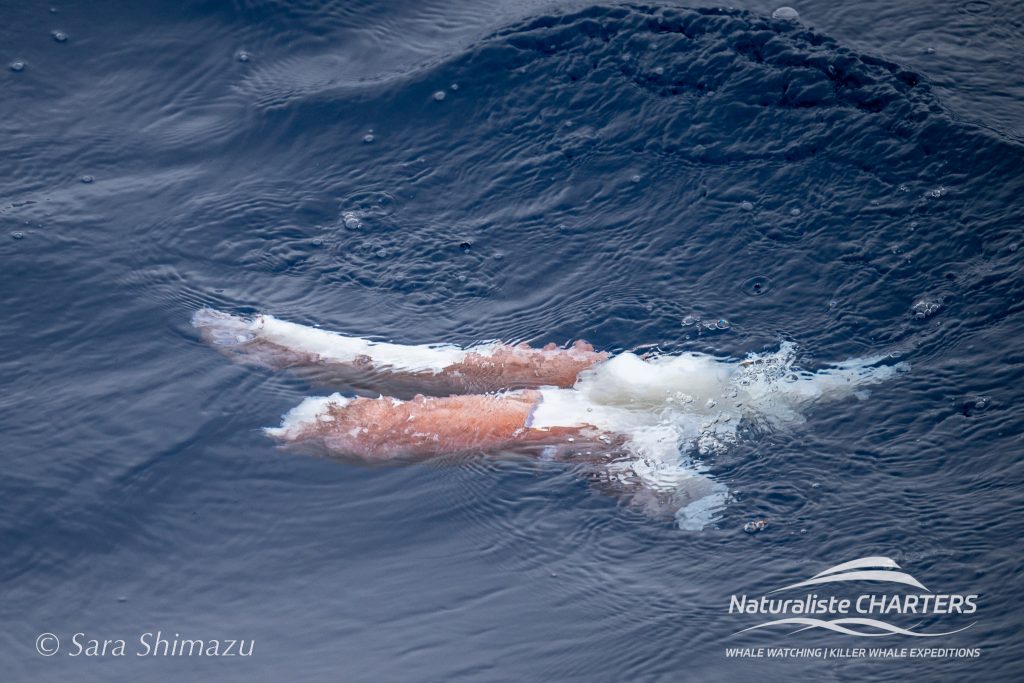
The day started with a high-energy show by Indo-Pacific bottlenose dolphins, darting through the waves. At the hotspot, El Notcho and Cookie’s pod led the charge, with Digby and Lucy Dash adding excitement with playful antics and dramatic tail slaps. Later, a mystery unfolded as orcas surfaced carrying reddish and yellowish meat, leaving everyone speculating about their hunt.

Common Nosed Dolphin greet us on leaving Bremer Harbour

8 January: Common Dolphins and Close Encounters

A pod of common dolphins kicked off the day, gracefully porpoising through the water. At the hotspot, Nibbles and El Notcho’s pods displayed fascinating feeding behaviours near a thermocline layer, possibly targeting squid or fish. With close passes by towering males and playful juveniles, the day was filled with awe-inspiring moments.

Killer Whales are recorded by name but recognised by eye and saddle patch

9 January: Orca Playtime

Tatty’s pod stole the show west of the hotspot, with orcas like Kidji, Wasco, and Marley engaging in playful antics. Mischievous calves chased seabirds, rolled under the surface, and even breached spectacularly. Play is vital for orcas, helping them bond, practice hunting, and, of course, have fun!

Playtime in the Bremer Canyon

10 January: A Dramatic Feed

Moody skies set the tone as we searched for orcas. Split Tip, Cookie, and Tatty’s pods joined forces, and their surface behaviour hinted at prey sharing. Guests caught glimpses of meat during the chaos, confirming a successful hunt. The day ended with a heartfelt goodbye as orcas surfaced close to the boat, waving us off.

A successful predation and prey sharing within the pod

11 January: Rare Encounters

Lucky’s rarely seen pod made an appearance, thrilling us with their towering males and the matriarch herself, Lucky, who is easily recognised by her missing dorsal fin. The day wrapped up with a surprise encounter—a smooth hammerhead shark cruising alongside us, showcasing the rich biodiversity of Bremer Bay.

Matriarch Lucky with her missing dorsal fin

Whether it’s the queen of the canyon, playful dolphins, or mysterious hunts, Bremer Bay never fails to deliver unforgettable experiences. Ready to join the adventure? Book your killer whale tour today and witness the magic firsthand!


Wonks from Split Tips pod in Bremer Canyon December 2024

What Do Killer Whales Eat and How Do They Eat?

Killer whales, also known as orcas, are apex predators with a varied and fascinating diet.

Their feeding habits and techniques highlight their intelligence, adaptability, and social cooperation, making them one of the ocean’s most efficient hunters.

Here, we dive into what killer whales eat and how they catch their prey.

What Do Killer Whales Eat?

Orcas are carnivorous, and their diet depends on their ecotype and geographical location. Broadly, their diet includes:

Marine Mammals:

Certain orca populations prey on seals, sea lions, dolphins, and other whale species. They have been observed targeting calves of species like blue whales and humpback whales.

Fish:

Many orcas specialise in eating fish, with salmon (particularly Chinook salmon) being a staple for some populations, such as those in the Pacific Northwest.

Squid and Octopus:

In some regions, killer whales consume squid and other cephalopods.

Seabirds and Turtles:

Though less common, orcas occasionally feed on seabirds and turtles.

Sharks and Rays:

Orcas have been known to prey on sharks, including great whites, by targeting their liver, a nutrient-rich organ.

Penguins:

In Antarctic waters, some orcas hunt penguins as part of their diet.

A sea lion basks safely on Glasse Island near the Bremer Bay Basin

How Do Killer Whales Hunt?

Killer whales employ various hunting techniques, often showcasing remarkable intelligence and teamwork. Below are some of their key strategies:

Pod Cooperation:

Orcas hunt in pods, using their numbers to outsmart prey. They coordinate movements, trap prey, and take turns feeding. This teamwork is particularly evident when hunting large prey like whales.

Wave-Washing:

To hunt seals resting on ice floes, orcas create waves by swimming in unison. These waves wash the seal into the water, where the orcas can catch it.

Beaching:

In some regions, orcas temporarily strand themselves on beaches to snatch seals. This risky technique requires skill and precise timing.

Tail Slapping:

Orcas use powerful tail slaps to stun fish or knock birds off the water’s surface, making them easier to catch.

Encircling Prey:

When targeting schools of fish, orcas use bubbles, body movements, or sound to herd the fish into tight balls, allowing easier feeding.

Strategic Bites:

When hunting large prey like sharks or whales, orcas target specific body parts. For example, they may immobilise sharks by flipping them upside down, inducing tonic immobility.

Killer Whales use many techniques to hunt and eat their prey

How Do Killer Whales Eat Their Prey?

Killer whales have a unique way of consuming their prey.

Unlike some predators, their jaws are not designed for chewing or biting through tough materials.

Instead, orcas use the following techniques:

Tearing and Swallowing:

Orcas use their powerful teeth to tear chunks of flesh from their prey, swallowing these pieces whole.

Shaking Prey:

When hunting larger animals, they often shake their prey violently to break it into manageable pieces. This behaviour is commonly observed with marine mammals and fish.

Specialised Feeding:

Some orcas have developed a taste for specific parts of their prey. For instance, when hunting sharks, they target the liver, which is rich in nutrients and oils.

Using Water:

In some cases, orcas hold prey near the surface, letting water pressure assist in breaking it apart. This is often seen with softer-bodied prey like squid.

Their feeding behaviour is both efficient and adapted to their physical limitations, ensuring they maximise energy intake while minimising effort.

Large scraps of a giant squid after a successful predation by orca in the Bremer Region

What Regional Specialisations Do Orca Exhibit?

Orcas exhibit dietary specialisation based on their ecotype:

Resident Orcas:

Found in the Pacific Northwest, these orcas primarily eat fish, especially salmon.

Transient Orcas:

Also known as Bigg’s orcas, they focus on marine mammals and are known for their stealthy hunting.

Offshore Orcas:

These orcas are believed to feed on fish and sharks, including species with tough skin.

Bremer Canyon Orcas:

The Orca found in the Bremer Canyon during Naturaliste Charters expeditions have been seen to feed on giant squid, fish and beaked whales, also whale species like blue whales calves and minke whales.

Antarctic Orcas:

Some Antarctic orcas hunt seals and penguins, while others feed on fish or toothfish.

What is the Importance of Orca Feeding and Social Bonds?

Killer whales’ hunting and feeding behaviours play a crucial role in maintaining and strengthening social bonds within their pods.

These highly social marine mammals often work collaboratively during hunts, using sophisticated strategies to catch prey.

Once the prey is captured, they share the meal among pod members, fostering cooperation and mutual reliance.

This sharing is particularly important for younger orcas, as it provides an opportunity for them to learn essential hunting techniques through observation and practice.

Such cultural transmission of knowledge, where skills and behaviours are passed down through generations.

It is exceptionally rare in the animal kingdom and highlights the orcas’ remarkable intelligence.

Additionally, these shared activities reinforce trust and unity within the pod, contributing to the long-term survival and stability of their tightly knit social structure.

The importance of feeding and social bonds among orcas cannot be overstated, as it forms the foundation of their cultural identity and ecological success.

Orca in the Bremer Canyon usually travel in family pods
Orca in the Bremer Canyon often travel in family pods

Bremer Bay Offers The Best Opportunity To See Killer Whales

Killer whales’ diet and hunting strategies are as diverse as their habitats.

Whether working together to take down large prey or using specialised techniques for smaller meals, orcas are true masters of the marine food web.

Witnessing these incredible behaviours is a highlight of any killer whale expedition, and Bremer Bay offers one of the best opportunities to see them in action.

To find out more about Killer Whales access more of our blogs here or visit whales.org

To learn more and join a tour, visit Legend Charters Booking.

Bremer Bay Killer Whale (Orca) predation

Best Time to See Killer Whales in Bremer Bay

Where can I see Killer Whales (orca)?

Bremer Bay, located along Western Australia’s stunning south coast, is one of the world’s best places to witness the awe-inspiring sight of killer whales in their natural habitat. But when is the perfect time to embark on this unforgettable adventure? In this guide, we’ll explore the peak season for killer whale sightings in Bremer Bay and why this destination is a must-visit for orca enthusiasts.


Why Bremer Bay Is a Hotspot for Killer Whales

The waters off Bremer Bay are home to the Bremer Canyon, a deep-sea ecological hotspot that attracts a wealth of marine life. This unique environment supports a thriving food chain, making it a haven for apex predators like killer whales. From mid-December to April, these intelligent and social creatures gather in large numbers, offering visitors an unparalleled viewing experience.


The Best Months for Killer Whale Watching

Killer whale season in Bremer Bay spans mid-December to April, coinciding with the Australian summer and early autumn months. Here’s what makes each month special:

  • December:
    The season begins in mid-December, with the first sightings of killer whale pods returning to the Bremer Canyon. This is a fantastic time for wildlife enthusiasts eager to start the summer with a unique experience.
  • January:
    The season kicks into high gear as orcas actively hunt and socialise in the nutrient-rich waters. Calm summer seas make viewing conditions ideal.
  • February:
    Sightings reach their peak, with multiple pods interacting, hunting, and displaying fascinating behaviours. This is the prime time for wildlife photographers.
  • March:
    Activity remains high, with orcas frequently sighted. The late summer weather offers fantastic conditions for a memorable day on the water.
  • April:
    As the season winds down, sightings are still frequent, and the slightly cooler weather provides a pleasant end to the orca-watching season.

What Time of Day Is Best for Killer Whale Watching?

While killer whale activity can vary, tours in Bremer Bay often take place in the morning and early afternoon. These times provide the best chance of calm seas, ensuring an enjoyable and smooth ride for passengers.


Tips for an Unforgettable Killer Whale Expedition

  1. Book Early:
    Tours are in high demand, so secure your spot well in advance to avoid disappointment.
  2. Dress Appropriately:
    Wear layers to prepare for changing weather and bring sun protection.
  3. Bring Your Camera:
    Don’t forget to capture these magical moments. Many tours provide expert tips for photographing wildlife.
  4. Stay Alert:
    Killer whale behaviour is dynamic—keep an eye out for breaches, tail slaps, and playful interactions.

Why Choose Legend Charters for Your Bremer Bay Orca Experience?

Legend Charters offers expertly guided killer whale tours with experienced skippers who know the Bremer Bay waters like the back of their hands. With comfortable, eco-friendly vessels and a passion for marine conservation, we provide a once-in-a-lifetime experience that connects you with these majestic creatures while preserving their natural environment.


Plan Your Killer Whale Adventure Today

There’s no better place to witness the beauty and power of killer whales than Bremer Bay. Whether you’re a wildlife enthusiast, a family seeking an educational adventure, or simply looking for a unique experience, our killer whale expeditions promise to leave you in awe.

Book your Bremer Bay Killer Whale Expedition now and create memories to last a lifetime.

Would you like to improve your knowledge on Australia’s Killer Whales? Visit our FAQ’s here