Apex Predator & Orca Behaviours

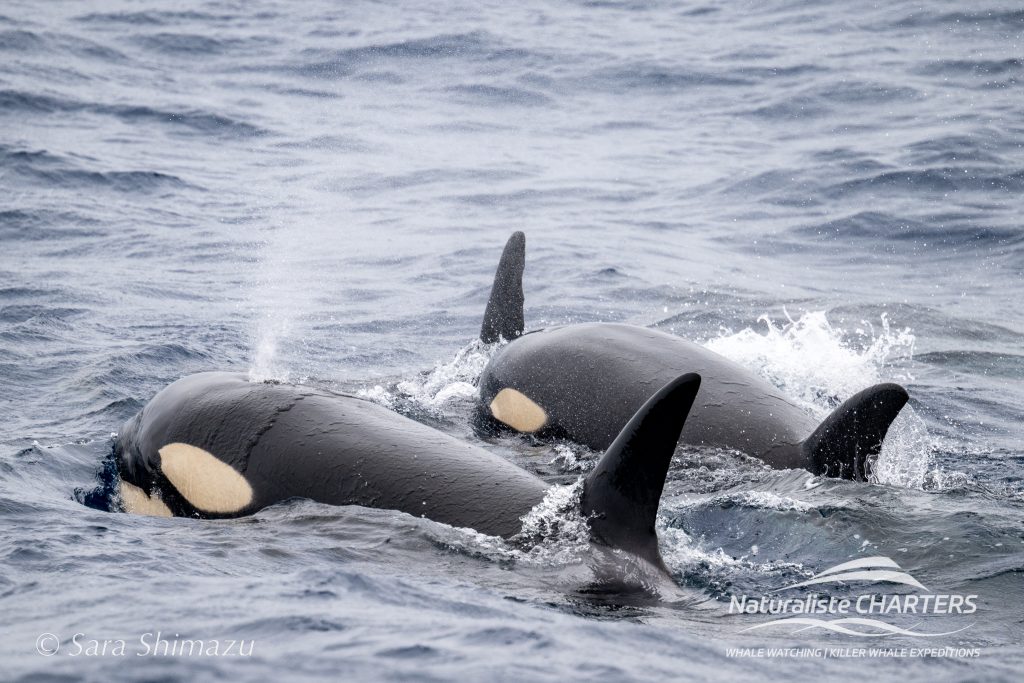
Exploring the dynamic marine environment of Bremer Bay offers unparalleled opportunities to witness the intricate behaviours and interactions of its apex predators, particularly the orcas.

Apex Predator Interactions

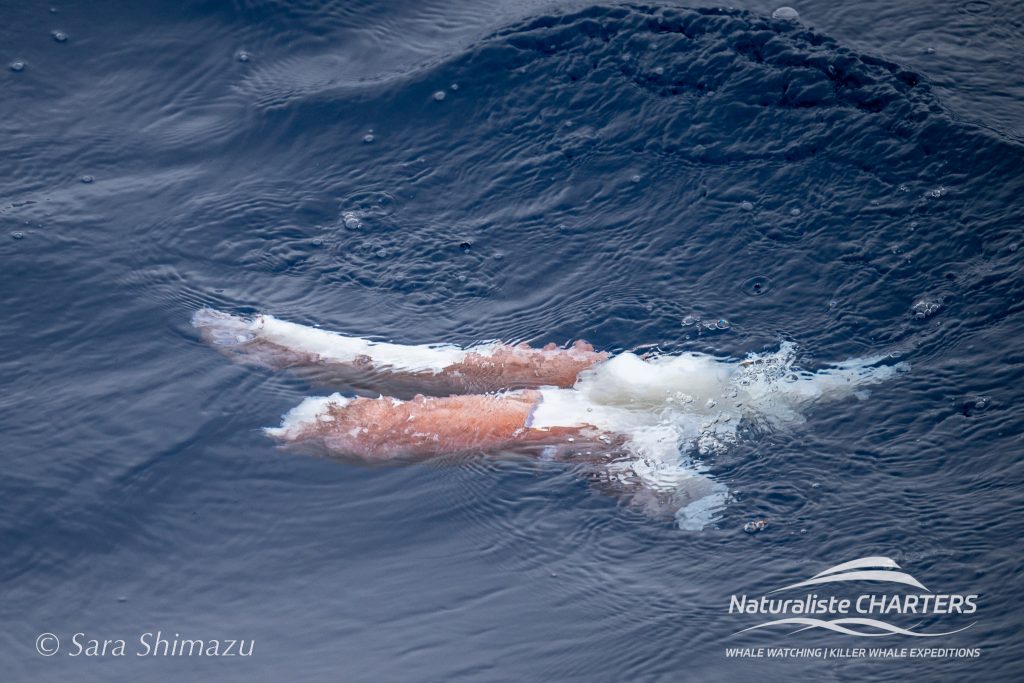
In March 2024, an extraordinary event unfolded in the Bremer Canyon when a pod of orcas encountered a sperm whale. This rare interaction provided a unique glimpse into the complex dynamics between these formidable species. The encounter was marked by the sperm whale employing a defensive tactic, releasing a cloud of faeces—a behaviour believed to deter predators. Such events underscore the raw and unpredictable nature of marine life in the Bremer Canyon, offering a vivid reminder of the ongoing battle for survival in the ocean’s depths.

Seasonal Highlights

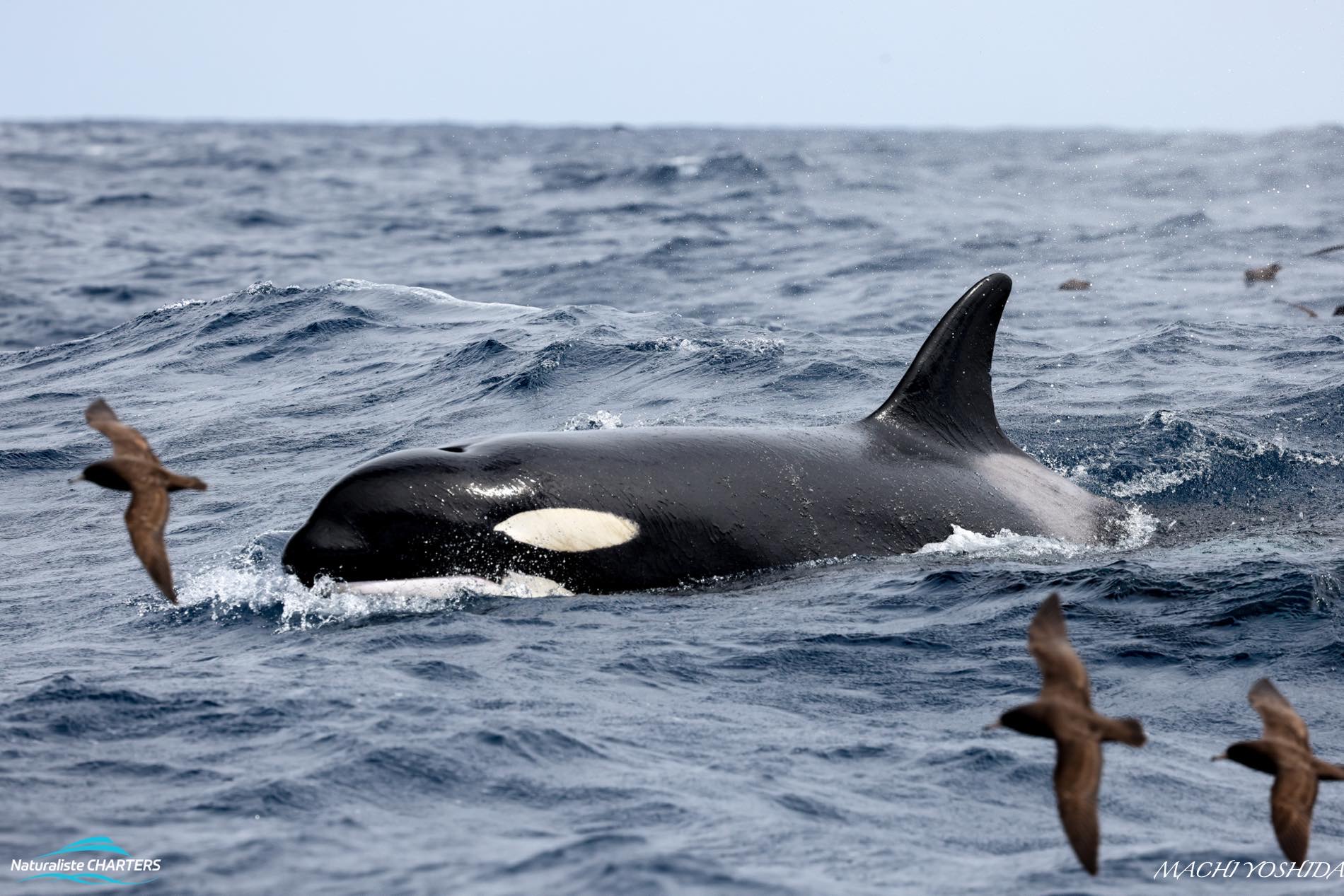
The Bremer Bay orca season, particularly in February 2024, was marked by a series of remarkable sightings and interactions. Expeditions during this period reported not only frequent orca encounters but also sightings of other marine species, including pilot whales and various seabirds. These observations highlight the rich biodiversity of the region and the dynamic nature of its marine ecosystem. Each tour offered unique experiences, reflecting the ever-changing patterns of wildlife activity in the Bremer Canyon.

Expedition Experiences

Embarking on a killer whale expedition from Bremer Bay is more than just a tour; it’s an immersive journey into the heart of a thriving marine ecosystem. Guests can expect to traverse the stunning landscapes of the Southern Ocean aboard the ‘Alison Maree,’ a 23-meter catamaran designed to handle the local oceanic conditions. The vessel offers three spacious viewing decks and an air-conditioned interior, ensuring comfort throughout the voyage. During the expedition, participants may witness a variety of marine life, from orcas and pilot whales to seabirds like albatrosses and shearwaters. The crew, comprising experienced marine biologists and naturalists, provides insightful commentary, enriching the experience with knowledge about the behaviours and ecology of the observed species. Each day on the water is unique, with the potential for unexpected and thrilling wildlife encounters that leave lasting impressions.

The Power of Predation

In the vast expanse of the Bremer Canyon, the circle of life is vividly on display, showcasing both the raw power of predation and the tender moments of new beginnings.

During an expedition in January 2025, guests aboard the Alison Maree witnessed a significant oil slick upon approaching the hotspot. This slick, a telltale sign of a recent orca predation event, indicated the aftermath of a successful hunt. Such observations provide a rare glimpse into the orcas’ role as apex predators, highlighting their hunting prowess and the dynamic nature of the marine ecosystem in Bremer Bay.
(Read more)

A New Life in the Canyon

In contrast to these powerful displays, the canyon also offers moments of profound tenderness. On January 29, 2025, the crew observed a newborn orca calf accompanying Fanscar’s pod. The calf, with its fresh foetal folds and a floppy dorsal fin, was estimated to be less than a day old. Akama, a member of the pod, was identified as the likely mother, staying in close proximity to her newborn.

This sighting underscores the importance of the Bremer Canyon as a nurturing ground for orca families, offering hope for the continued growth and vitality of the population.
(Read more)

These narratives, drawn from firsthand accounts and detailed observations, offer a window into the vibrant and often dramatic world of Bremer Bay’s marine life. They serve as a testament to the region’s ecological significance and the unforgettable experiences that await those who venture into its waters.

See orca in the greqat southern region of Bremer Bay Western Australia. Join us this season for a Bremer Canyon Killer Whale Expedition

Wonks from Split Tips pod in Bremer Canyon December 2024

What Do Killer Whales Eat and How Do They Eat?

Killer whales, also known as orcas, are apex predators with a varied and fascinating diet.

Their feeding habits and techniques highlight their intelligence, adaptability, and social cooperation, making them one of the ocean’s most efficient hunters.

Here, we dive into what killer whales eat and how they catch their prey.

What Do Killer Whales Eat?

Orcas are carnivorous, and their diet depends on their ecotype and geographical location. Broadly, their diet includes:

Marine Mammals:

Certain orca populations prey on seals, sea lions, dolphins, and other whale species. They have been observed targeting calves of species like blue whales and humpback whales.

Fish:

Many orcas specialise in eating fish, with salmon (particularly Chinook salmon) being a staple for some populations, such as those in the Pacific Northwest.

Squid and Octopus:

In some regions, killer whales consume squid and other cephalopods.

Seabirds and Turtles:

Though less common, orcas occasionally feed on seabirds and turtles.

Sharks and Rays:

Orcas have been known to prey on sharks, including great whites, by targeting their liver, a nutrient-rich organ.

Penguins:

In Antarctic waters, some orcas hunt penguins as part of their diet.

A sea lion basks safely on Glasse Island near the Bremer Bay Basin

How Do Killer Whales Hunt?

Killer whales employ various hunting techniques, often showcasing remarkable intelligence and teamwork. Below are some of their key strategies:

Pod Cooperation:

Orcas hunt in pods, using their numbers to outsmart prey. They coordinate movements, trap prey, and take turns feeding. This teamwork is particularly evident when hunting large prey like whales.

Wave-Washing:

To hunt seals resting on ice floes, orcas create waves by swimming in unison. These waves wash the seal into the water, where the orcas can catch it.

Beaching:

In some regions, orcas temporarily strand themselves on beaches to snatch seals. This risky technique requires skill and precise timing.

Tail Slapping:

Orcas use powerful tail slaps to stun fish or knock birds off the water’s surface, making them easier to catch.

Encircling Prey:

When targeting schools of fish, orcas use bubbles, body movements, or sound to herd the fish into tight balls, allowing easier feeding.

Strategic Bites:

When hunting large prey like sharks or whales, orcas target specific body parts. For example, they may immobilise sharks by flipping them upside down, inducing tonic immobility.

Killer Whales use many techniques to hunt and eat their prey

How Do Killer Whales Eat Their Prey?

Killer whales have a unique way of consuming their prey.

Unlike some predators, their jaws are not designed for chewing or biting through tough materials.

Instead, orcas use the following techniques:

Tearing and Swallowing:

Orcas use their powerful teeth to tear chunks of flesh from their prey, swallowing these pieces whole.

Shaking Prey:

When hunting larger animals, they often shake their prey violently to break it into manageable pieces. This behaviour is commonly observed with marine mammals and fish.

Specialised Feeding:

Some orcas have developed a taste for specific parts of their prey. For instance, when hunting sharks, they target the liver, which is rich in nutrients and oils.

Using Water:

In some cases, orcas hold prey near the surface, letting water pressure assist in breaking it apart. This is often seen with softer-bodied prey like squid.

Their feeding behaviour is both efficient and adapted to their physical limitations, ensuring they maximise energy intake while minimising effort.

Large scraps of a giant squid after a successful predation by orca in the Bremer Region

What Regional Specialisations Do Orca Exhibit?

Orcas exhibit dietary specialisation based on their ecotype:

Resident Orcas:

Found in the Pacific Northwest, these orcas primarily eat fish, especially salmon.

Transient Orcas:

Also known as Bigg’s orcas, they focus on marine mammals and are known for their stealthy hunting.

Offshore Orcas:

These orcas are believed to feed on fish and sharks, including species with tough skin.

Bremer Canyon Orcas:

The Orca found in the Bremer Canyon during Naturaliste Charters expeditions have been seen to feed on giant squid, fish and beaked whales, also whale species like blue whales calves and minke whales.

Antarctic Orcas:

Some Antarctic orcas hunt seals and penguins, while others feed on fish or toothfish.

What is the Importance of Orca Feeding and Social Bonds?

Killer whales’ hunting and feeding behaviours play a crucial role in maintaining and strengthening social bonds within their pods.

These highly social marine mammals often work collaboratively during hunts, using sophisticated strategies to catch prey.

Once the prey is captured, they share the meal among pod members, fostering cooperation and mutual reliance.

This sharing is particularly important for younger orcas, as it provides an opportunity for them to learn essential hunting techniques through observation and practice.

Such cultural transmission of knowledge, where skills and behaviours are passed down through generations.

It is exceptionally rare in the animal kingdom and highlights the orcas’ remarkable intelligence.

Additionally, these shared activities reinforce trust and unity within the pod, contributing to the long-term survival and stability of their tightly knit social structure.

The importance of feeding and social bonds among orcas cannot be overstated, as it forms the foundation of their cultural identity and ecological success.

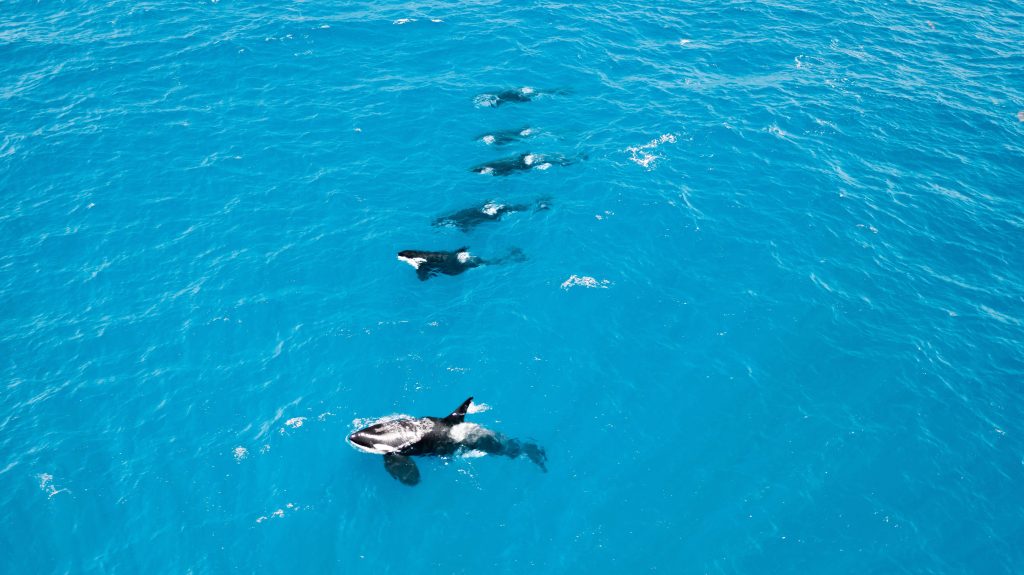
Orca in the Bremer Canyon usually travel in family pods
Orca in the Bremer Canyon often travel in family pods

Bremer Bay Offers The Best Opportunity To See Killer Whales

Killer whales’ diet and hunting strategies are as diverse as their habitats.

Whether working together to take down large prey or using specialised techniques for smaller meals, orcas are true masters of the marine food web.

Witnessing these incredible behaviours is a highlight of any killer whale expedition, and Bremer Bay offers one of the best opportunities to see them in action.

To find out more about Killer Whales access more of our blogs here or visit whales.org

To learn more and join a tour, visit Legend Charters Booking.

Passengers View Killer Whales up close

FAQs for First-Time Killer Whale Watching

FAQs for First-Time Killer Whale Watching with Legend Charters

Welcome to Legend Charters! We’re thrilled to help you prepare for an unforgettable killer whale watching experience. Below, you’ll find answers to some of the most common questions we receive. If you’re new to whale watching, this guide will ensure you feel ready and excited for the adventure ahead.


What Should I Wear?

Dress warmly! The ocean breeze can be chilly, even on sunny days. We recommend layering:

  • A waterproof jacket
  • Warm jumper
  • Long pants
  • Closed-toe shoes with good grip
    Don’t forget a hat, sunglasses, and sunscreen to protect yourself from the elements.

When Are the Best Viewing Times?

Our tours run during peak killer whale season, when sightings are most frequent. The best time to see killer whales is during the morning or early afternoon when they are often active.

What Wildlife Can Be Spotted in the Bremer Basin?

The Bremer Basin is renowned for its astonishing biodiversity and is a haven for marine life. Alongside killer whales, you might encounter:

  • Sperm Whales, diving deep into the basin’s waters.
  • Pilot Whales, travelling in pods.
  • Beaked Whales, elusive and rarely seen.
  • Dolphins, including bottlenose and common species, showing off their playful energy.
  • Seabirds, such as albatrosses, petrels, and shearwaters gliding above the waves.
  • Australian Sea Lions, occasionally spotted basking on nearby islands.
    Every tour offers a unique experience, with the possibility of witnessing some of the ocean’s most fascinating creatures.

What Happens If We Don’t See Killer Whales?

While our sightings rate is incredibly high, killer whales are wild animals, and there’s no absolute guarantee. In the rare event we don’t see them, rest assured you’ll still enjoy a fantastic day on the water, learning about the marine ecosystem and spotting other incredible wildlife such as dolphins, seabirds, or even other species of whales.


What If the Tour Is Cancelled Due to Weather Conditions?

Your safety is our priority. If the weather is unsuitable for sailing, we will notify you as soon as possible and offer you the option to reschedule or receive a full refund.


What Should I Do If I Get Seasick?

If you’re prone to seasickness, we recommend taking preventative measures:

  • Consider motion sickness tablets (follow instructions on when to take them).
  • Stick to light meals before the tour.
  • Focus on the horizon or fresh air if you start feeling unwell.
    Our crew is trained to assist and will provide tips to help you stay comfortable during the journey.

What Food and Drinks Are Provided?

We’ve got your taste buds covered! Our tours include delicious meals catered locally, offering fresh and satisfying options to keep you energised throughout the day. You’ll also enjoy complimentary morning and afternoon tea, featuring hot drinks and light snacks.


What Can You Tell Me About the Catamaran?

Our state-of-the-art catamaran is built for comfort and adventure.

  • Size: Spacious enough to accommodate up to [insert capacity] passengers, ensuring a personalised experience.
  • Deck Viewing: Enjoy 360-degree views from our expansive decks, perfect for capturing stunning wildlife moments.
  • Ocean Capability: Designed to handle a variety of ocean conditions, ensuring a safe and smooth ride.

Do You Have an Onboard Photographer?

Yes! Our professional onboard photographer captures the magic of every tour. After your trip, we’ll provide a link where you can access and download the incredible images from your adventure.


Is There a Marine Biologist Onboard?

Absolutely! Each tour is accompanied by a qualified marine biologist. They’ll share fascinating insights into the behaviour, biology, and conservation of killer whales and other marine species, making your experience as educational as it is exhilarating.


Where Does the Tour Depart From?

Our Killer Whale Expedition departs from Bremer Bay Harbour, just a short drive from the heart of Bremer Bay. This charming harbour is the starting point for your journey into the breathtaking Bremer Canyon. Ample parking is available for all types of vehicles, including standard cars, motorhomes, and those towing caravans or trailers. The harbour is well-signposted, making it easy to find, and offers a hassle-free beginning to your incredible ocean experience.


Have more questions? Feel free to contact our team. We can’t wait to welcome you aboard for a day of unforgettable memories!

Book Your Killer Whale Watching Adventure Now!

Visit our Facebook Page for daily photos and blog posts

Question and answers: orca killer whales

Everything You Need to Know About Orca (Killer Whales) In Australia


What Time Do Orca (Killer Whales) Wake Up?

Orcas don’t have a standard wake-up time as their sleep patterns differ from land mammals.

They are uni-hemispheric sleepers, which means one side of their brain rests while the other remains alert.

This unique trait allows them to stay active and aware throughout the day and night.


What Are the Chances of Seeing Orca (Killer Whales) on a Tour?

From mid-December to April, Bremer Bay is one of the best places to witness killer whales.

With a 90%+ success rate, your chances of spotting orcas are excellent on a Naturaliste Charters tour.

On the rare occasion that no orcas are sighted, we offer a free revisit to ensure you don’t miss out.


Is Killer Whale Watching Worth It in the Rain?

Definitely! Orcas are active no matter the weather, and rain can create a dramatic and memorable backdrop for your tour.

Dress in waterproof clothing to stay comfortable, and enjoy the show!


What Is the Bremer Marine Park?

Bremer Bay is part of the Australian Whale Sanctuary, specifically within the Bremer Marine Park.

This protected area offers a haven for whales, dolphins, and other marine life while supporting activities such as whale watching, snorkelling, and sustainable fishing.


What Is the Best Month for Orca Watching in Bremer Bay?

The peak season for orca watching in Bremer Bay is December through April.

During this time, orcas gather in the Bremer Canyon, a nutrient-rich marine hotspot teeming with marine life.


Where Do Killer Whales Go in Winter?

Unlike humpback whales, killer whales don’t follow a strict migratory route.

Their movements depend on prey availability.

Some populations, like those in Bremer Bay, stay in specific regions year-round, while others may travel long distances to find food.


Where Is the Best Place to See Killer Whales in WA?

Bremer Bay, about five hours southeast of Perth, is the premier location to see killer whales in Western Australia.

Its unique marine ecosystem attracts a variety of wildlife, making it an unforgettable destination for nature enthusiasts.


What Is the Best Time of Day for Orca Watching?

Orcas are active throughout the day, but early morning tours often provide the calmest seas and ideal light for spotting these magnificent animals.


Will I Get Wet on an Orca Watching Tour?

There’s always a chance you’ll get wet from splashes or weather conditions.

However, our catamaran, The Alison Maree, offers covered seating areas to keep you dry.

Complimentary hot drinks, including coffee, tea, and Milo, are available throughout the trip to keep you warm and comfortable.


Do Killer Whales Fully Sleep?

No, killer whales never fully sleep.

They rest one half of their brain at a time, allowing them to breathe and stay aware of their environment while resting.


Where Do Orcas Rest?

When resting, orcas typically stay near the surface of the water, moving slowly and surfacing periodically for air.

This behaviour helps them remain semi-alert to their surroundings.


How Many Killer Whales Live in Australian Waters?

Exact numbers are unknown, but orcas are widely distributed throughout Australian waters.

The Bremer Bay population is one of the most studied, offering unparalleled opportunities for observation during the summer months.


Are Killer Whales the Most Common Whale in Australia?

While humpback whales are the most common, killer whales are the stars of Bremer Bay.

Known for their intelligence, hunting techniques, and striking appearance, they captivate visitors during the summer season.


How Fast Can Killer Whales Swim?

Killer whales are incredibly powerful swimmers, capable of reaching speeds of up to 56 km/h.

Their agility and speed are crucial for hunting and travelling vast distances. apex predators, killer whales have no natural predators.

However, human activities like pollution, habitat destruction, and fishing net entanglements pose significant threats to their populations.


What Do Orcas Eat?

Orcas have a varied diet that includes fish, squid, seals, and even other whales.

Their hunting strategies are highly sophisticated and often involve teamwork, highlighting their intelligence and social nature.


Summary

Bremer Bay is the ultimate destination for killer whale watching in Australia.

With peak viewing from December to April, join Naturaliste Charters for an unforgettable adventure into the heart of orca territory.

From breathtaking wildlife encounters to fascinating onboard insights, our tours offer a unique opportunity to witness these incredible apex predators in action.

To learn more or to book your Killer Whale Expedition.

Visit our website or follow our Facebook page for updates on sightings and tours.