Bremer Bay Weekly Highlights: Orcas, Dolphins, and More!
This week in Bremer Bay was nothing short of spectacular. From thrilling orca encounters to playful dolphins and surprise appearances by marine wildlife, our guests were treated to unforgettable moments on the Southern Ocean.
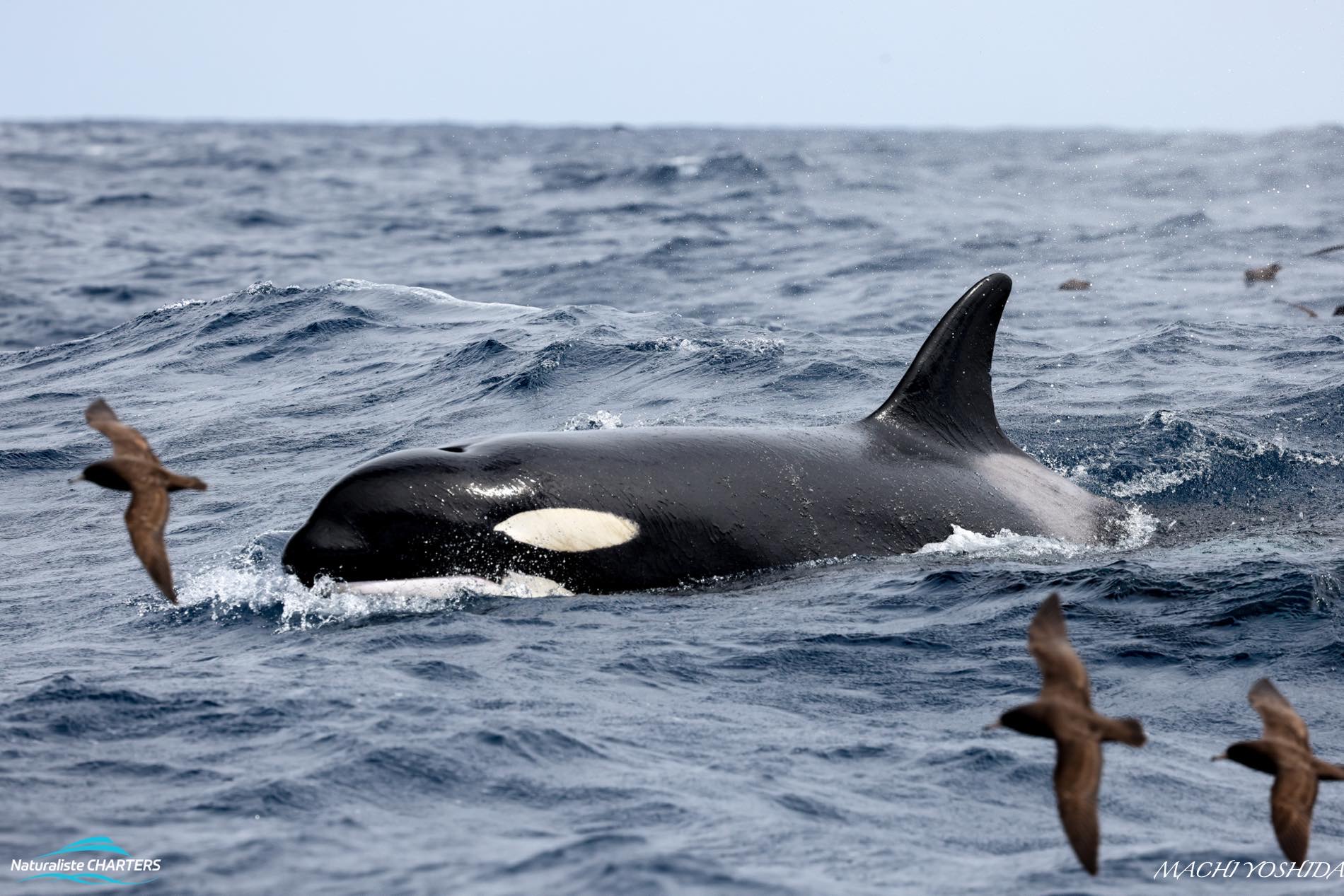
More than a spyhop as this large orca launches into the air!
6 January: A Royal Welcome
We kicked off the week with a warm welcome from Split Tip, the queen of the canyon, and her pod. Familiar faces like Lil Machi, Flapper, and the ever-quirky Wonks, with his floppy dorsal fin, delighted guests with close passes and playful behaviour. The skies above were equally lively, featuring wandering albatrosses, petrels, and even a rare sighting of the endangered Barau’s petrel.
7 January: Orca Action and Mystery Meals
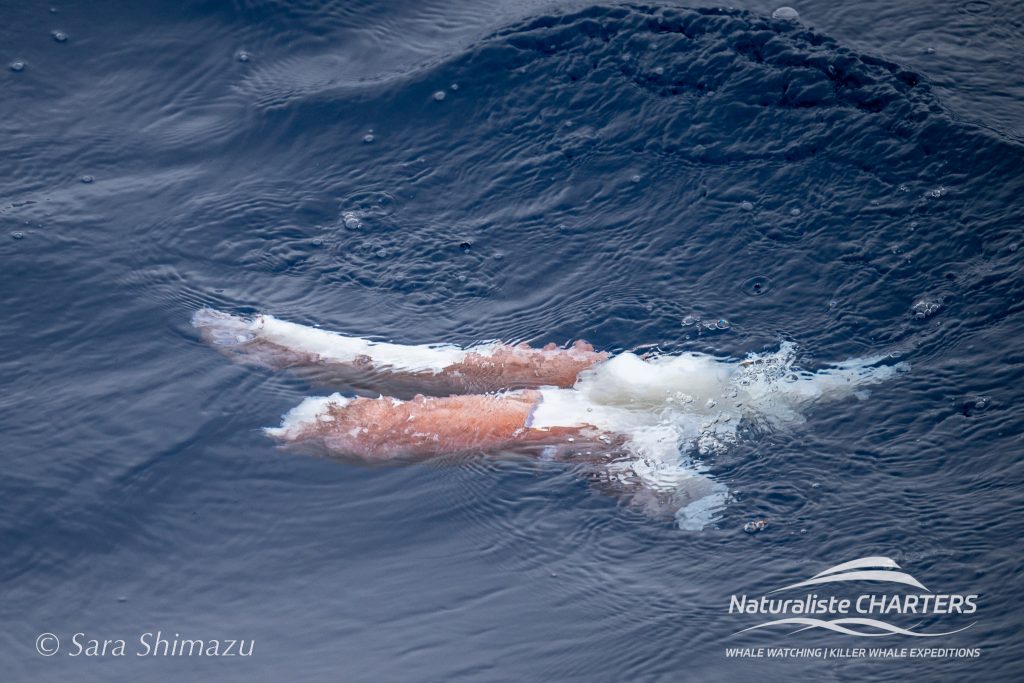
The day started with a high-energy show by Indo-Pacific bottlenose dolphins, darting through the waves. At the hotspot, El Notcho and Cookie’s pod led the charge, with Digby and Lucy Dash adding excitement with playful antics and dramatic tail slaps. Later, a mystery unfolded as orcas surfaced carrying reddish and yellowish meat, leaving everyone speculating about their hunt.
Common Nosed Dolphin greet us on leaving Bremer Harbour
8 January: Common Dolphins and Close Encounters
A pod of common dolphins kicked off the day, gracefully porpoising through the water. At the hotspot, Nibbles and El Notcho’s pods displayed fascinating feeding behaviours near a thermocline layer, possibly targeting squid or fish. With close passes by towering males and playful juveniles, the day was filled with awe-inspiring moments.
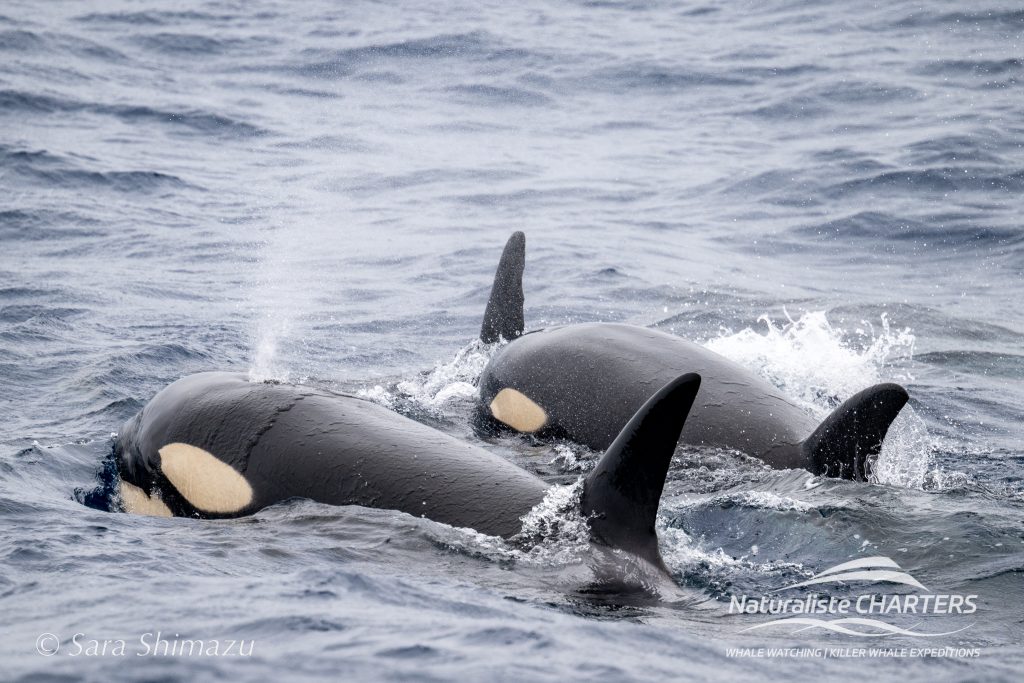
Killer Whales are recorded by name but recognised by eye and saddle patch
9 January: Orca Playtime
Tatty’s pod stole the show west of the hotspot, with orcas like Kidji, Wasco, and Marley engaging in playful antics. Mischievous calves chased seabirds, rolled under the surface, and even breached spectacularly. Play is vital for orcas, helping them bond, practice hunting, and, of course, have fun!
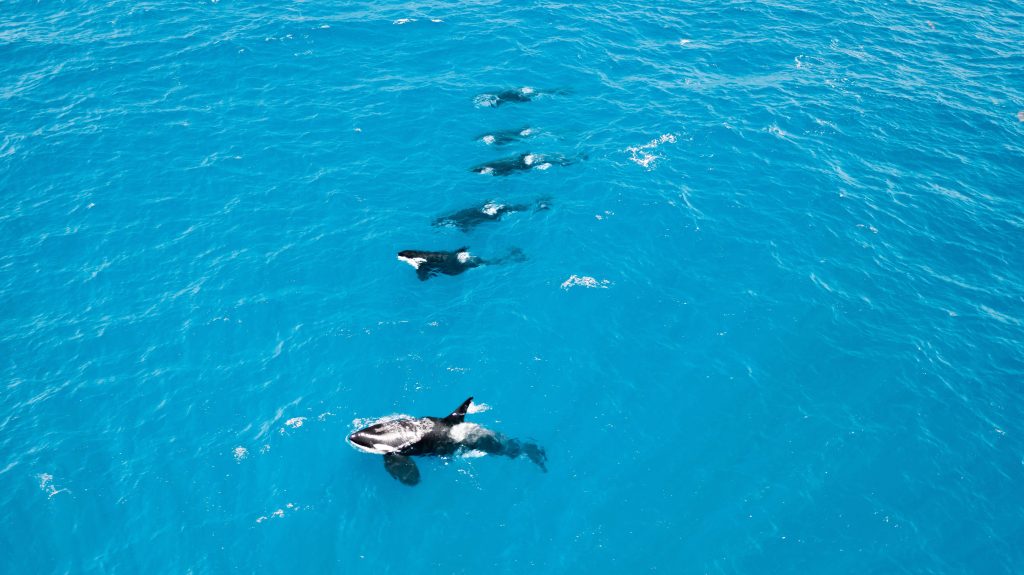
Playtime in the Bremer Canyon
10 January: A Dramatic Feed
Moody skies set the tone as we searched for orcas. Split Tip, Cookie, and Tatty’s pods joined forces, and their surface behaviour hinted at prey sharing. Guests caught glimpses of meat during the chaos, confirming a successful hunt. The day ended with a heartfelt goodbye as orcas surfaced close to the boat, waving us off.
A successful predation and prey sharing within the pod
11 January: Rare Encounters
Lucky’s rarely seen pod made an appearance, thrilling us with their towering males and the matriarch herself, Lucky, who is easily recognised by her missing dorsal fin. The day wrapped up with a surprise encounter—a smooth hammerhead shark cruising alongside us, showcasing the rich biodiversity of Bremer Bay.
Matriarch Lucky with her missing dorsal fin
Whether it’s the queen of the canyon, playful dolphins, or mysterious hunts, Bremer Bay never fails to deliver unforgettable experiences. Ready to join the adventure? Book your killer whale tour today and witness the magic firsthand!
Killer whales, also known as orcas, are apex predators with a varied and fascinating diet.
Their feeding habits and techniques highlight their intelligence, adaptability, and social cooperation, making them one of the ocean’s most efficient hunters.
Here, we dive into what killer whales eat and how they catch their prey.
What Do Killer Whales Eat?
Orcas are carnivorous, and their diet depends on their ecotype and geographical location. Broadly, their diet includes:
Marine Mammals:
Certain orca populations prey on seals, sea lions, dolphins, and other whale species. They have been observed targeting calves of species like blue whales and humpback whales.
Fish:
Many orcas specialise in eating fish, with salmon (particularly Chinook salmon) being a staple for some populations, such as those in the Pacific Northwest.
Squid and Octopus:
In some regions, killer whales consume squid and other cephalopods.
Seabirds and Turtles:
Though less common, orcas occasionally feed on seabirds and turtles.
Sharks and Rays:
Orcas have been known to prey on sharks, including great whites, by targeting their liver, a nutrient-rich organ.
Penguins:
In Antarctic waters, some orcas hunt penguins as part of their diet.
How Do Killer Whales Hunt?
Killer whales employ various hunting techniques, often showcasing remarkable intelligence and teamwork. Below are some of their key strategies:
Pod Cooperation:
Orcas hunt in pods, using their numbers to outsmart prey. They coordinate movements, trap prey, and take turns feeding. This teamwork is particularly evident when hunting large prey like whales.
Wave-Washing:
To hunt seals resting on ice floes, orcas create waves by swimming in unison. These waves wash the seal into the water, where the orcas can catch it.
Beaching:
In some regions, orcas temporarily strand themselves on beaches to snatch seals. This risky technique requires skill and precise timing.
Tail Slapping:
Orcas use powerful tail slaps to stun fish or knock birds off the water’s surface, making them easier to catch.
Encircling Prey:
When targeting schools of fish, orcas use bubbles, body movements, or sound to herd the fish into tight balls, allowing easier feeding.
Strategic Bites:
When hunting large prey like sharks or whales, orcas target specific body parts. For example, they may immobilise sharks by flipping them upside down, inducing tonic immobility.
How Do Killer Whales Eat Their Prey?
Killer whales have a unique way of consuming their prey.
Unlike some predators, their jaws are not designed for chewing or biting through tough materials.
Instead, orcas use the following techniques:
Tearing and Swallowing:
Orcas use their powerful teeth to tear chunks of flesh from their prey, swallowing these pieces whole.
Shaking Prey:
When hunting larger animals, they often shake their prey violently to break it into manageable pieces. This behaviour is commonly observed with marine mammals and fish.
Specialised Feeding:
Some orcas have developed a taste for specific parts of their prey. For instance, when hunting sharks, they target the liver, which is rich in nutrients and oils.
Using Water:
In some cases, orcas hold prey near the surface, letting water pressure assist in breaking it apart. This is often seen with softer-bodied prey like squid.
Their feeding behaviour is both efficient and adapted to their physical limitations, ensuring they maximise energy intake while minimising effort.
What Regional Specialisations Do Orca Exhibit?
Orcas exhibit dietary specialisation based on their ecotype:
Resident Orcas:
Found in the Pacific Northwest, these orcas primarily eat fish, especially salmon.
Transient Orcas:
Also known as Bigg’s orcas, they focus on marine mammals and are known for their stealthy hunting.
Offshore Orcas:
These orcas are believed to feed on fish and sharks, including species with tough skin.
Bremer Canyon Orcas:
The Orca found in the Bremer Canyon during Naturaliste Charters expeditions have been seen to feed on giant squid, fish and beaked whales, also whale species like blue whales calves and minke whales.
Antarctic Orcas:
Some Antarctic orcas hunt seals and penguins, while others feed on fish or toothfish.
What is the Importance of Orca Feeding and Social Bonds?
Killer whales’ hunting and feeding behaviours play a crucial role in maintaining and strengthening social bonds within their pods.
These highly social marine mammals often work collaboratively during hunts, using sophisticated strategies to catch prey.
Once the prey is captured, they share the meal among pod members, fostering cooperation and mutual reliance.
This sharing is particularly important for younger orcas, as it provides an opportunity for them to learn essential hunting techniques through observation and practice.
Such cultural transmission of knowledge, where skills and behaviours are passed down through generations.
It is exceptionally rare in the animal kingdom and highlights the orcas’ remarkable intelligence.
Additionally, these shared activities reinforce trust and unity within the pod, contributing to the long-term survival and stability of their tightly knit social structure.
The importance of feeding and social bonds among orcas cannot be overstated, as it forms the foundation of their cultural identity and ecological success.
Orca in the Bremer Canyon often travel in family pods
Bremer Bay Offers The Best Opportunity To See Killer Whales
Killer whales’ diet and hunting strategies are as diverse as their habitats.
Whether working together to take down large prey or using specialised techniques for smaller meals, orcas are true masters of the marine food web.
Witnessing these incredible behaviours is a highlight of any killer whale expedition, and Bremer Bay offers one of the best opportunities to see them in action.
To find out more about Killer Whales access more of our blogs here or visit whales.org
Orcas don’t have a standard wake-up time as their sleep patterns differ from land mammals.
They are uni-hemispheric sleepers, which means one side of their brain rests while the other remains alert.
This unique trait allows them to stay active and aware throughout the day and night.
What Are the Chances of Seeing Orca (Killer Whales) on a Tour?
From mid-December to April, Bremer Bay is one of the best places to witness killer whales.
With a 90%+ success rate, your chances of spotting orcas are excellent on a Naturaliste Charters tour.
On the rare occasion that no orcas are sighted, we offer a free revisit to ensure you don’t miss out.
Is Killer Whale Watching Worth It in the Rain?
Definitely! Orcas are active no matter the weather, and rain can create a dramatic and memorable backdrop for your tour.
Dress in waterproof clothing to stay comfortable, and enjoy the show!
What Is the Bremer Marine Park?
Bremer Bay is part of the Australian Whale Sanctuary, specifically within the Bremer Marine Park.
This protected area offers a haven for whales, dolphins, and other marine life while supporting activities such as whale watching, snorkelling, and sustainable fishing.
What Is the Best Month for Orca Watching in Bremer Bay?
The peak season for orca watching in Bremer Bay is December through April.
During this time, orcas gather in the Bremer Canyon, a nutrient-rich marine hotspot teeming with marine life.
Some populations, like those in Bremer Bay, stay in specific regions year-round, while others may travel long distances to find food.
Where Is the Best Place to See Killer Whales in WA?
Bremer Bay, about five hours southeast of Perth, is the premier location to see killer whales in Western Australia.
Its unique marine ecosystem attracts a variety of wildlife, making it an unforgettable destination for nature enthusiasts.
What Is the Best Time of Day for Orca Watching?
Orcas are active throughout the day, but early morning tours often provide the calmest seas and ideal light for spotting these magnificent animals.
Will I Get Wet on an Orca Watching Tour?
There’s always a chance you’ll get wet from splashes or weather conditions.
However, our catamaran, The Alison Maree, offers covered seating areas to keep you dry.
Complimentary hot drinks, including coffee, tea, and Milo, are available throughout the trip to keep you warm and comfortable.
Do Killer Whales Fully Sleep?
No, killer whales never fully sleep.
They rest one half of their brain at a time, allowing them to breathe and stay aware of their environment while resting.
Where Do Orcas Rest?
When resting, orcas typically stay near the surface of the water, moving slowly and surfacing periodically for air.
This behaviour helps them remain semi-alert to their surroundings.
How Many Killer Whales Live in Australian Waters?
Exact numbers are unknown, but orcas are widely distributed throughout Australian waters.
The Bremer Bay population is one of the most studied, offering unparalleled opportunities for observation during the summer months.
Are Killer Whales the Most Common Whale in Australia?
While humpback whales are the most common, killer whales are the stars of Bremer Bay.
Known for their intelligence, hunting techniques, and striking appearance, they captivate visitors during the summer season.
How Fast Can Killer Whales Swim?
Killer whales are incredibly powerful swimmers, capable of reaching speeds of up to 56 km/h.
Their agility and speed are crucial for hunting and travelling vast distances. apex predators, killer whales have no natural predators.
However, human activities like pollution, habitat destruction, and fishing net entanglements pose significant threats to their populations.
What Do Orcas Eat?
Orcas have a varied diet that includes fish, squid, seals, and even other whales.
Their hunting strategies are highly sophisticated and often involve teamwork, highlighting their intelligence and social nature.
Summary
Bremer Bay is the ultimate destination for killer whale watching in Australia.
With peak viewing from December to April, join Naturaliste Charters for an unforgettable adventure into the heart of orca territory.
From breathtaking wildlife encounters to fascinating onboard insights, our tours offer a unique opportunity to witness these incredible apex predators in action.