Understanding Orca Predation in Bremer Canyon
The Bremer Canyon, located off the southern coast of Western Australia, is one of the few places in the world where people can regularly witness killer whales—also known as orcas—engaging in natural predation events. This deep-sea canyon draws nutrient-rich waters to the surface, creating a thriving ecosystem that attracts a variety of marine species, including these powerful apex predators.
Between December and April, orcas gather here in remarkable numbers, offering a rare glimpse into their social dynamics and hunting strategies. From coordinated attacks on large prey to opportunistic feeding, the orca predation behaviour observed in Bremer Canyon provides valuable insights into their intelligence and adaptability.
Let’s dive into some of the most recent sightings and behaviours witnessed over the past two months in this unique marine environment.
The Bremer Canyon: A Hub of Orca Activity
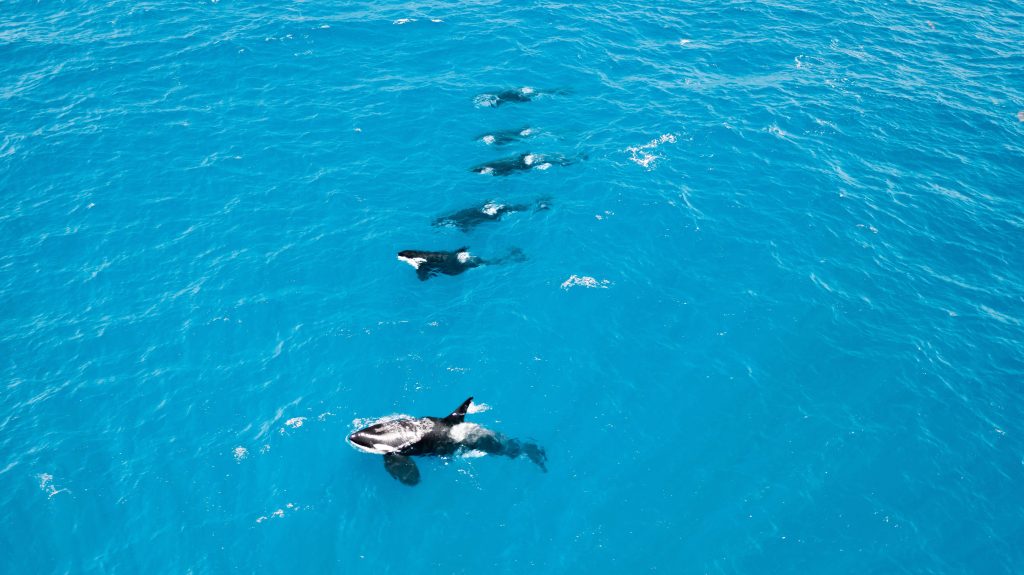
The Bremer Canyon has become one of the most sought-after whale watching destinations globally, with over 100 orcas returning annually from December to April. This submarine canyon offers a unique opportunity to observe these predators in their natural habitat, engaging in activities ranging from hunting to socialising within family groups. Australian Wildlife Journeys
Observing Orca Predation in Bremer Canyon
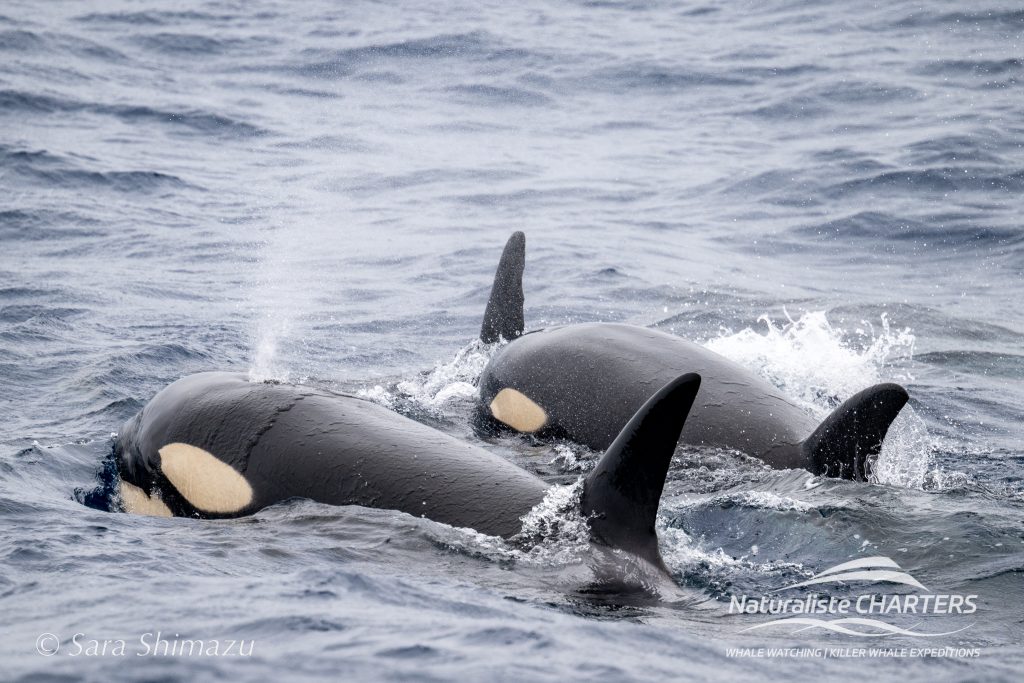
Visitors to the Bremer Canyon often witness orcas employing various hunting strategies. These may include coordinated group tactics to herd and capture prey, showcasing their intelligence and social cooperation. The spectacle of orcas chasing and devouring their prey is breathtaking, with seabirds like albatrosses and shearwaters often scavenging the remnants. Wikipedia+5Australian Wildlife Journeys+5Wikipedia+5The Guardian+2Wikipedia+2Australian Wildlife Journeys+2
Recent Insights into Orca Diet and Hunting Techniques
Recent studies have shed light on the dietary preferences of orcas in Australian waters. In October 2023, a 4.7-meter great white shark carcass washed ashore in southwest Victoria, missing key organs such as its liver. DNA analysis linked the bite marks to local orcas, confirming that they hunt great white sharks and selectively consume their livers. This behavior underscores the orca’s role as a formidable apex predator and highlights their impact on marine ecosystems. The Guardian
The Role of Ecotourism in Understanding Orca Behaviour
Ecotourism ventures in the Bremer Marine Park provide invaluable opportunities for both the public and researchers to observe orca predation firsthand. These expeditions not only offer unforgettable experiences but also contribute to ongoing scientific studies by facilitating data collection and fostering a deeper appreciation for marine life. However, it’s essential to manage tourism activities responsibly to minimise disturbances to these intelligent creatures and their environment. Wikipedia
Killer Whale Predation Highlights – 2025 Bremer Canyon Season
The 2025 season at Bremer Canyon has been one for the record books. With multiple killer whale predation events captured across the summer, both guests and guides have been treated to front-row seats of nature at its most raw and thrilling. Below, we dive into four key moments this season that showcase the skill, strength, and strategy of the ocean’s top predator.
26 January 2025 – Australia Day Action
Australia Day took a wild turn in Bremer Canyon, where the orcas put on a stunning show of coordinated hunting. The pod was first seen moving with intensity—purpose in every surfacing. Before long, the reason became clear. The pod had isolated prey and were launching a full-scale predation event.
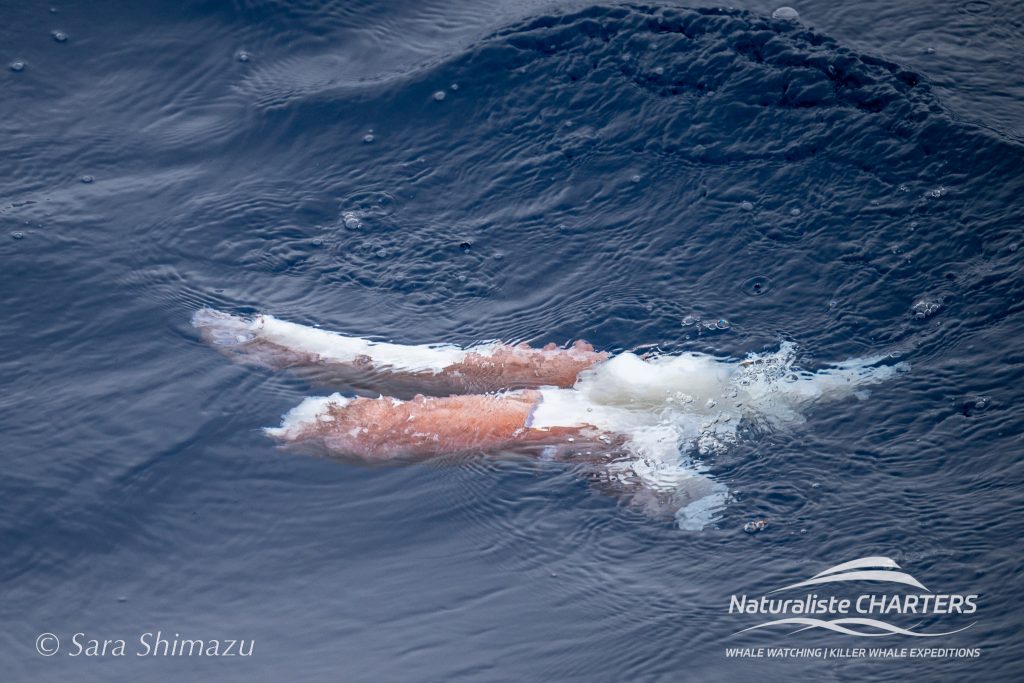
Powerful tail slaps created walls of water, and there was a brief moment of stillness before the sea erupted again in a flurry of black fins and frothy water. As the hunt reached its climax, seabirds circled above, opportunistically waiting for leftovers. The aftermath included a large oil slick and signs of successful feeding.
It was a textbook example of orca behaviour—highly intelligent, strategic, and efficient. The entire experience left the guests stunned, and the guides knew they’d just witnessed something extraordinary.
4 March 2025 – Clues Before the Canyon
Even before the vessel reached the shelf break that morning, something felt different. The sea was alive. Birds were diving, fish were schooling erratically, and the water held that familiar sheen that hints at recent activity. Moments later, orcas were spotted moving calmly but with the clear body language of a pod that had just finished feeding.
While the actual predation event had occurred earlier, the clues left behind painted a vivid picture. An oily slick floated on the surface, and small fish—perhaps scattered during the chaos—still lingered near the site. It was a reminder that, even when we don’t witness the hunt, the signs are there for those who know where to look.
This day stood out as a quieter but equally fascinating insight into orca feeding behaviour. It was a chance to interpret the evidence and reconstruct what had unfolded hours earlier in the deep blue.
16 March 2025 – Predation in the Air
There’s a particular scent that lingers in the air after a killer whale kill—a mix of oil, prey, and sea—and this morning, it was unmistakeable. The tour began with an oily slick drifting across the surface, seabirds sitting heavy and content on the water, and orcas moving slowly in a loose formation nearby.
Though the moment of the kill had passed, the signs of a successful hunt were everywhere. The pod appeared to be resting, likely after a high-energy chase. Guests got to witness the aftermath: the calm after the storm, the moment where nature pauses to digest both its meal and the moment.
This sighting reminded us that orca predation isn’t always about the chase—sometimes it’s about reading the water and appreciating the subtle evidence left behind.
23 March 2025 – Double Predation Day
Some days deliver more than you ever expect—and 23 March was one of those days.
The morning started with explosive action. A pod of orcas began a full-speed pursuit, corralling their prey with remarkable synchrony. The water turned turbulent, with breaches and lunges as the pod closed in. Within minutes, the hunt was over—swift and precise.
But nature wasn’t done yet.
Later that same day, another group within the same region initiated a second predation event. The energy on the vessel was electric. Two hunts in a single expedition is a rarity, and each one offered different behaviours—from aggressive chases to slow, calculated manoeuvres.
Guests onboard experienced something few people on the planet ever will—back-to-back killer whale predations in the wild. It was a day of adrenaline, awe, and absolute wonder.
The Legacy of the 2025 Season
This season has cemented Bremer Canyon as one of the world’s most significant natural theatres for observing orca behaviour. These events are more than just spectacles—they’re insights into a complex, intelligent species that continues to surprise and inspire us.
If you were lucky enough to be onboard during one of these days, you know the feeling: heart racing, breath caught, eyes wide. And if you weren’t? There’s always next season.