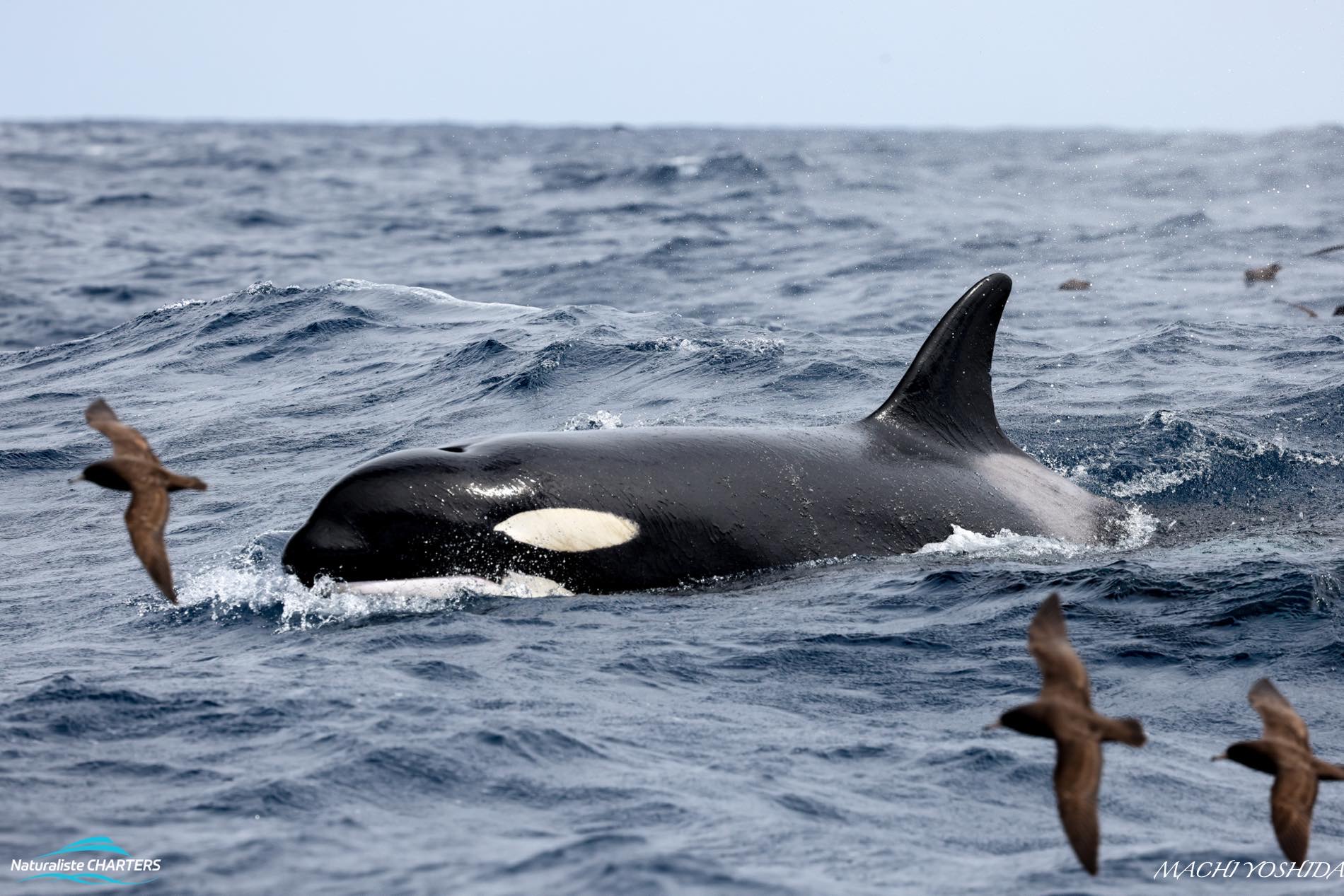
A killer whale amongst the pilot whales in Bremer Bay

Orca Predation in Bremer Canyon

Understanding Orca Predation in Bremer Canyon

The Bremer Canyon, located off the southern coast of Western Australia, is one of the few places in the world where people can regularly witness killer whales—also known as orcas—engaging in natural predation events. This deep-sea canyon draws nutrient-rich waters to the surface, creating a thriving ecosystem that attracts a variety of marine species, including these powerful apex predators.

Between December and April, orcas gather here in remarkable numbers, offering a rare glimpse into their social dynamics and hunting strategies. From coordinated attacks on large prey to opportunistic feeding, the orca predation behaviour observed in Bremer Canyon provides valuable insights into their intelligence and adaptability.

Let’s dive into some of the most recent sightings and behaviours witnessed over the past two months in this unique marine environment.

The Bremer Canyon: A Hub of Orca Activity

The Bremer Canyon has become one of the most sought-after whale watching destinations globally, with over 100 orcas returning annually from December to April. This submarine canyon offers a unique opportunity to observe these predators in their natural habitat, engaging in activities ranging from hunting to socialising within family groups.Australian Wildlife Journeys

Observing Orca Predation in Bremer Canyon

Visitors to the Bremer Canyon often witness orcas employing various hunting strategies. These may include coordinated group tactics to herd and capture prey, showcasing their intelligence and social cooperation. The spectacle of orcas chasing and devouring their prey is breathtaking, with seabirds like albatrosses and shearwaters often scavenging the remnants.Wikipedia+5Australian Wildlife Journeys+5Wikipedia+5The Guardian+2Wikipedia+2Australian Wildlife Journeys+2

Recent Insights into Orca Diet and Hunting Techniques

Recent studies have shed light on the dietary preferences of orcas in Australian waters. In October 2023, a 4.7-meter great white shark carcass washed ashore in southwest Victoria, missing key organs such as its liver. DNA analysis linked the bite marks to local orcas, confirming that they hunt great white sharks and selectively consume their livers. This behavior underscores the orca’s role as a formidable apex predator and highlights their impact on marine ecosystems.The Guardian

The Role of Ecotourism in Understanding Orca Behaviour

Ecotourism ventures in the Bremer Marine Park provide invaluable opportunities for both the public and researchers to observe orca predation firsthand. These expeditions not only offer unforgettable experiences but also contribute to ongoing scientific studies by facilitating data collection and fostering a deeper appreciation for marine life. However, it’s essential to manage tourism activities responsibly to minimise disturbances to these intelligent creatures and their environment.Wikipedia

Killer Whale Predation Highlights – 2025 Bremer Canyon Season

The 2025 season at Bremer Canyon has been one for the record books. With multiple killer whale predation events captured across the summer, both guests and guides have been treated to front-row seats of nature at its most raw and thrilling. Below, we dive into four key moments this season that showcase the skill, strength, and strategy of the ocean’s top predator.

26 January 2025 – Australia Day Action

Australia Day took a wild turn in Bremer Canyon, where the orcas put on a stunning show of coordinated hunting. The pod was first seen moving with intensity—purpose in every surfacing. Before long, the reason became clear. The pod had isolated prey and were launching a full-scale predation event.

Powerful tail slaps created walls of water, and there was a brief moment of stillness before the sea erupted again in a flurry of black fins and frothy water. As the hunt reached its climax, seabirds circled above, opportunistically waiting for leftovers. The aftermath included a large oil slick and signs of successful feeding.

It was a textbook example of orca behaviour—highly intelligent, strategic, and efficient. The entire experience left the guests stunned, and the guides knew they’d just witnessed something extraordinary.


4 March 2025 – Clues Before the Canyon

Even before the vessel reached the shelf break that morning, something felt different. The sea was alive. Birds were diving, fish were schooling erratically, and the water held that familiar sheen that hints at recent activity. Moments later, orcas were spotted moving calmly but with the clear body language of a pod that had just finished feeding.

While the actual predation event had occurred earlier, the clues left behind painted a vivid picture. An oily slick floated on the surface, and small fish—perhaps scattered during the chaos—still lingered near the site. It was a reminder that, even when we don’t witness the hunt, the signs are there for those who know where to look.

This day stood out as a quieter but equally fascinating insight into orca feeding behaviour. It was a chance to interpret the evidence and reconstruct what had unfolded hours earlier in the deep blue.


16 March 2025 – Predation in the Air

There’s a particular scent that lingers in the air after a killer whale kill—a mix of oil, prey, and sea—and this morning, it was unmistakeable. The tour began with an oily slick drifting across the surface, seabirds sitting heavy and content on the water, and orcas moving slowly in a loose formation nearby.

Though the moment of the kill had passed, the signs of a successful hunt were everywhere. The pod appeared to be resting, likely after a high-energy chase. Guests got to witness the aftermath: the calm after the storm, the moment where nature pauses to digest both its meal and the moment.

This sighting reminded us that orca predation isn’t always about the chase—sometimes it’s about reading the water and appreciating the subtle evidence left behind.


23 March 2025 – Double Predation Day

Some days deliver more than you ever expect—and 23 March was one of those days.

The morning started with explosive action. A pod of orcas began a full-speed pursuit, corralling their prey with remarkable synchrony. The water turned turbulent, with breaches and lunges as the pod closed in. Within minutes, the hunt was over—swift and precise.

But nature wasn’t done yet.

Later that same day, another group within the same region initiated a second predation event. The energy on the vessel was electric. Two hunts in a single expedition is a rarity, and each one offered different behaviours—from aggressive chases to slow, calculated manoeuvres.

Guests onboard experienced something few people on the planet ever will—back-to-back killer whale predations in the wild. It was a day of adrenaline, awe, and absolute wonder.


The Legacy of the 2025 Season

This season has cemented Bremer Canyon as one of the world’s most significant natural theatres for observing orca behaviour. These events are more than just spectacles—they’re insights into a complex, intelligent species that continues to surprise and inspire us.

If you were lucky enough to be onboard during one of these days, you know the feeling: heart racing, breath caught, eyes wide. And if you weren’t? There’s always next season.

Things to do in Bremer Bay WA

Things to Do in Bremer Bay WA

Activities in Bremer Bay

Visit the Bremer Canyon: Killer Whale Watching

Bremer Bay is world-renowned for its killer whale (orca) encounters. Between December and April, the Bremer Canyon comes alive with marine activity, offering one of the best places on the planet to observe orcas in their natural habitat. These majestic creatures are drawn to the canyon’s nutrient-rich waters, creating an unforgettable wildlife spectacle.

Naturaliste Charters, the region’s leading operator, provides immersive tours that not only feature orcas but also dolphins, sea lions, and a diverse range of seabirds. It’s a bucket-list experience for nature enthusiasts.

Explore Fitzgerald River National Park

Fitzgerald River National Park is a haven for biodiversity, boasting an incredible array of wildflowers, rugged coastal cliffs, and native wildlife. The park is home to nearly 20% of Western Australia’s plant species, making it a paradise for botanists and nature photographers.

Take a hike along one of the many trails, such as the Point Ann Heritage Trail, and enjoy breathtaking views of the coastline. It’s also a fantastic spot for whale watching during humpback whale migration season.

Relax on Stunning Beaches

Bremer Bay’s beaches are among the most beautiful in Australia, offering pristine sands and crystal-clear waters. Blossoms Beach, Native Dog Beach, and Bremer Bay Main Beach are ideal spots for swimming, snorkelling, or simply soaking up the sun. Anglers will also enjoy the excellent fishing opportunities these beaches provide.

Discover Local History at the Wellstead Museum

Step back in time at the Wellstead Museum, where you can explore the region’s rich history through its impressive collection of artefacts and exhibits. Learn about the lives of early settlers and the development of the Bremer Bay community. This family-friendly destination is both educational and fascinating.

Water Activities at Fishery Beach

Fishery Beach is the perfect location for water-based activities such as kayaking and paddleboarding. The sheltered waters are ideal for families, and the marina offers a charming spot to relax and take in the scenic views. It’s a great place to enjoy a leisurely day by the sea.

Go Bushwalking and Birdwatching

Bremer Bay is a paradise for bushwalkers and birdwatchers. The area’s diverse ecosystems support a wide variety of bird species, making it an excellent destination for spotting rare and colourful birds. Point Ann, within Fitzgerald River National Park, is a must-visit for bird enthusiasts, especially during whale migration season when you can enjoy sightings of both birds and marine mammals. Naturaliste Charters have pelagic bird tours available in the month of December for a limited time each year.

Taste Local Flavours

No trip to Bremer Bay is complete without sampling the local cuisine. Treat yourself to fresh, locally sourced dishes at the town’s cafes, bakeries, and restaurants. For craft beer enthusiasts, the Bremer Bay Brewing Co. offers a delightful range of brews in a relaxed setting with meals and music.

Camping and Stargazing

Bremer Bay’s natural beauty doesn’t end when the sun sets. With minimal light pollution, the night sky becomes a dazzling display of stars, making it a perfect destination for stargazing. Camping enthusiasts will find plenty of spots to pitch a tent, from beachside campsites to bushland retreats.Day Trips and Off-Roading Adventures

For those with a 4WD, Bremer Bay offers numerous opportunities for off-roading adventures. Explore secluded beaches and hidden coves, or take on sand dunes for an adrenaline rush. These excursions are perfect for those looking to venture off the beaten path and experience the region’s raw beauty.


Best Time to Visit

The best time to visit Bremer Bay is between December and April, when the weather is warm and the marine life activity is at its peak. This period is particularly ideal for orca watching and enjoying outdoor activities. For those interested in whale watching beyond this window, humpback whales, southern right whales and elusive blue whales can be seen during their migration from late May until early October.


Accommodation in Bremer Bay

Finding a place to stay in Bremer Bay is easy, with options ranging from comfortable resorts to cosy Airbnbs, caravan parks, and camping spots. For more details, check out our blog, Places to Stay Whilst Visiting Bremer Bay.’


Killer Whale Expeditions in Bremer Bay

Bremer Bay is a destination like no other, offering unforgettable experiences, stunning landscapes, and unique wildlife encounters. Whether you’re chasing adventure or seeking relaxation, this charming coastal town has it all. Ready to plan your trip? Book your killer whale tour with Naturaliste Charters and discover the magic of Bremer Bay.

Killer Whales in Bremer Canyon

What Should I Bring On A Bremer Bay Killer Whale Expedition?

What Should I Bring on a Bremer Bay Killer Whale Expedition?

A killer whale expedition in Bremer Bay is a once-in-a-lifetime experience.

Located on the pristine south coast of Western Australia, Bremer Bay is home to one of the most extraordinary marine wildlife spectacles on the planet.

Each year, between December and April, pods of orcas (killer whales) gather in the Bremer Canyon, offering visitors an unparalleled chance to witness these magnificent apex predators up close. To ensure you get the most out of your day, it’s essential to come prepared.

If you’re wondering what should I bring on a killer whale watching adventure, this guide will help you pack everything you need for a comfortable and unforgettable day on the water.

Bremer Bay Killer Whales

Clothing Essentials for a Killer Whale Watching Trip

The weather in Bremer Bay can change rapidly, so layering is key. Even in summer, the ocean breeze can feel cool, especially when travelling at speed or watching wildlife for extended periods.

  • Warm, windproof jacket: Essential to protect against ocean winds and sudden temperature drops.
  • Comfortable layers: Bring a lightweight shirt, jumper, and a fleece to adjust for changing conditions.
  • Hat and beanie: A wide-brimmed hat is ideal for sun protection, while a beanie will keep you warm if it gets chilly.
  • Sunglasses: Polarised sunglasses reduce glare on the water, making it easier to spot orcas and other marine life.
  • Comfortable footwear: Non-slip, closed-toe shoes are best for safety and comfort on the boat.

Sun Protection is a Must

Even on cloudy days, UV exposure on the open ocean can be significant. Sun protection is vital to ensure you don’t spend the next day nursing a painful sunburn.

  • Sunscreen: Use a reef-safe, high-SPF sunscreen and apply it generously before boarding.
  • Lip balm with SPF: Protect your lips from sun and wind exposure.
  • Lightweight, long-sleeve clothing: A sun-protective shirt offers added UV protection without overheating.

Don’t Forget Your Camera and Binoculars

Seeing orcas in their natural habitat is an awe-inspiring experience, and you’ll want to capture the moment.

While the crew will help point out marine life, having binoculars or a camera allows you to get an even closer look.

  • Camera with a zoom lens: If you want to photograph orcas, a camera with a good zoom will make all the difference. Avoid Teleconverters. Use 100-400 or 200-500 lense.
  • Binoculars: These are perfect for spotting distant pods or watching other wildlife, such as dolphins and seabirds.
  • Waterproof case: Protect your camera and phone from ocean spray.
  • Extra batteries and memory cards: You don’t want to miss the perfect shot because your camera ran out of power or storage.

Snacks, Drinks, and Staying Hydrated

Our killer whale expeditions provide a catered lunch and light refreshments onboard, but it’s always a good idea to bring some extra snacks and drinks to keep your energy up throughout the day.

  • Reusable water bottle: Staying hydrated is essential, especially on warm days.
  • Snacks: Bring non-perishable, easy-to-eat snacks like fruit, granola bars, or trail mix.
  • Seasickness remedies: If you’re prone to seasickness, consider taking medication the night before and on the morning of your tour and pack ginger lollies or other remedies.

Pack for Comfort and Convenience

A killer whale watching expedition is an adventure that can last several hours, so bringing a few extra items will enhance your comfort.

  • Small backpack: A lightweight backpack or waterproof bag will keep your belongings organised and protected.
  • Towel: A compact towel can come in handy in case of ocean spray or to wipe down seats.
  • Reusable coffee cup or thermos: Enjoy a warm drink during the trip while reducing waste.
  • Personal items: Bring essentials like tissues, hand sanitiser, and any necessary medications.

Prepare for Wildlife Encounters

The Bremer Canyon is home to more than just killer whales. Keep your eyes peeled for other incredible marine species, including sperm whales, pilot whales, dolphins, sunfish, and seabirds. Having the right gear will ensure you can enjoy every moment.

  • Wildlife guidebook or app: Learn about the animals you’re seeing and identify species as they appear.
  • Notebook and pen: Jot down wildlife sightings and interesting facts shared by the crew and onboard marine biologist.

Why Preparation Makes All the Difference

Being well-prepared for your killer whale watching expedition allows you to fully enjoy the experience without distractions.

Tours often run for a maximum of 8 hours, and while the boats are comfortable and fully equipped.

Having the right clothing, gear, and snacks ensures your focus remains on the incredible marine life around you.

A trip to Bremer Bay to witness orcas in their natural environment is a bucket-list experience.

The Bremer Canyon is one of the best places in the world to see killer whales, and being ready for the day will ensure you make the most of every moment.

By following this guide, you’ll know exactly what to bring for a killer whale watching adventure that you’ll never forget.

New Orca Calf Marley Joined our Tour in December 2024

Book Your Expedition Today

If you’re ready to experience the magic of Bremer Bay’s killer whales, don’t wait. Naturaliste Charters offers premium killer whale expeditions that provide unparalleled opportunities to see orcas and other marine life. Their experienced crew, comfortable vessels, and expert commentary ensure you’ll have a safe, informative, and unforgettable day on the water.

Book your Bremer Bay killer whale expedition today and start planning for an adventure of a lifetime! Visit Naturaliste Charters to secure your spot and learn more about this extraordinary experience.

Like and follow our Facebook page to see all the action each day as it happens.

Newborn calf Marley practices spy-hopping
Passengers View Killer Whales up close

FAQs for First-Time Killer Whale Watching

FAQs for First-Time Killer Whale Watching with Legend Charters

Welcome to Legend Charters! We’re thrilled to help you prepare for an unforgettable killer whale watching experience. Below, you’ll find answers to some of the most common questions we receive. If you’re new to whale watching, this guide will ensure you feel ready and excited for the adventure ahead.


What Should I Wear?

Dress warmly! The ocean breeze can be chilly, even on sunny days. We recommend layering:

  • A waterproof jacket
  • Warm jumper
  • Long pants
  • Closed-toe shoes with good grip
    Don’t forget a hat, sunglasses, and sunscreen to protect yourself from the elements.

When Are the Best Viewing Times?

Our tours run during peak killer whale season, when sightings are most frequent. The best time to see killer whales is during the morning or early afternoon when they are often active.

What Wildlife Can Be Spotted in the Bremer Basin?

The Bremer Basin is renowned for its astonishing biodiversity and is a haven for marine life. Alongside killer whales, you might encounter:

  • Sperm Whales, diving deep into the basin’s waters.
  • Pilot Whales, travelling in pods.
  • Beaked Whales, elusive and rarely seen.
  • Dolphins, including bottlenose and common species, showing off their playful energy.
  • Seabirds, such as albatrosses, petrels, and shearwaters gliding above the waves.
  • Australian Sea Lions, occasionally spotted basking on nearby islands.
    Every tour offers a unique experience, with the possibility of witnessing some of the ocean’s most fascinating creatures.

What Happens If We Don’t See Killer Whales?

While our sightings rate is incredibly high, killer whales are wild animals, and there’s no absolute guarantee. In the rare event we don’t see them, rest assured you’ll still enjoy a fantastic day on the water, learning about the marine ecosystem and spotting other incredible wildlife such as dolphins, seabirds, or even other species of whales.


What If the Tour Is Cancelled Due to Weather Conditions?

Your safety is our priority. If the weather is unsuitable for sailing, we will notify you as soon as possible and offer you the option to reschedule or receive a full refund.


What Should I Do If I Get Seasick?

If you’re prone to seasickness, we recommend taking preventative measures:

  • Consider motion sickness tablets (follow instructions on when to take them).
  • Stick to light meals before the tour.
  • Focus on the horizon or fresh air if you start feeling unwell.
    Our crew is trained to assist and will provide tips to help you stay comfortable during the journey.

What Food and Drinks Are Provided?

We’ve got your taste buds covered! Our tours include delicious meals catered locally, offering fresh and satisfying options to keep you energised throughout the day. You’ll also enjoy complimentary morning and afternoon tea, featuring hot drinks and light snacks.


What Can You Tell Me About the Catamaran?

Our state-of-the-art catamaran is built for comfort and adventure.

  • Size: Spacious enough to accommodate up to [insert capacity] passengers, ensuring a personalised experience.
  • Deck Viewing: Enjoy 360-degree views from our expansive decks, perfect for capturing stunning wildlife moments.
  • Ocean Capability: Designed to handle a variety of ocean conditions, ensuring a safe and smooth ride.

Do You Have an Onboard Photographer?

Yes! Our professional onboard photographer captures the magic of every tour. After your trip, we’ll provide a link where you can access and download the incredible images from your adventure.


Is There a Marine Biologist Onboard?

Absolutely! Each tour is accompanied by a qualified marine biologist. They’ll share fascinating insights into the behaviour, biology, and conservation of killer whales and other marine species, making your experience as educational as it is exhilarating.


Where Does the Tour Depart From?

Our Killer Whale Expedition departs from Bremer Bay Harbour, just a short drive from the heart of Bremer Bay. This charming harbour is the starting point for your journey into the breathtaking Bremer Canyon. Ample parking is available for all types of vehicles, including standard cars, motorhomes, and those towing caravans or trailers. The harbour is well-signposted, making it easy to find, and offers a hassle-free beginning to your incredible ocean experience.


Have more questions? Feel free to contact our team. We can’t wait to welcome you aboard for a day of unforgettable memories!

Book Your Killer Whale Watching Adventure Now!

Visit our Facebook Page for daily photos and blog posts

Question and answers: orca killer whales

Everything You Need to Know About Orca (Killer Whales) In Australia


What Time Do Orca (Killer Whales) Wake Up?

Orcas don’t have a standard wake-up time as their sleep patterns differ from land mammals.

They are uni-hemispheric sleepers, which means one side of their brain rests while the other remains alert.

This unique trait allows them to stay active and aware throughout the day and night.


What Are the Chances of Seeing Orca (Killer Whales) on a Tour?

From mid-December to April, Bremer Bay is one of the best places to witness killer whales.

With a 90%+ success rate, your chances of spotting orcas are excellent on a Naturaliste Charters tour.

On the rare occasion that no orcas are sighted, we offer a free revisit to ensure you don’t miss out.


Is Killer Whale Watching Worth It in the Rain?

Definitely! Orcas are active no matter the weather, and rain can create a dramatic and memorable backdrop for your tour.

Dress in waterproof clothing to stay comfortable, and enjoy the show!


What Is the Bremer Marine Park?

Bremer Bay is part of the Australian Whale Sanctuary, specifically within the Bremer Marine Park.

This protected area offers a haven for whales, dolphins, and other marine life while supporting activities such as whale watching, snorkelling, and sustainable fishing.


What Is the Best Month for Orca Watching in Bremer Bay?

The peak season for orca watching in Bremer Bay is December through April.

During this time, orcas gather in the Bremer Canyon, a nutrient-rich marine hotspot teeming with marine life.


Where Do Killer Whales Go in Winter?

Unlike humpback whales, killer whales don’t follow a strict migratory route.

Their movements depend on prey availability.

Some populations, like those in Bremer Bay, stay in specific regions year-round, while others may travel long distances to find food.


Where Is the Best Place to See Killer Whales in WA?

Bremer Bay, about five hours southeast of Perth, is the premier location to see killer whales in Western Australia.

Its unique marine ecosystem attracts a variety of wildlife, making it an unforgettable destination for nature enthusiasts.


What Is the Best Time of Day for Orca Watching?

Orcas are active throughout the day, but early morning tours often provide the calmest seas and ideal light for spotting these magnificent animals.


Will I Get Wet on an Orca Watching Tour?

There’s always a chance you’ll get wet from splashes or weather conditions.

However, our catamaran, The Alison Maree, offers covered seating areas to keep you dry.

Complimentary hot drinks, including coffee, tea, and Milo, are available throughout the trip to keep you warm and comfortable.


Do Killer Whales Fully Sleep?

No, killer whales never fully sleep.

They rest one half of their brain at a time, allowing them to breathe and stay aware of their environment while resting.


Where Do Orcas Rest?

When resting, orcas typically stay near the surface of the water, moving slowly and surfacing periodically for air.

This behaviour helps them remain semi-alert to their surroundings.


How Many Killer Whales Live in Australian Waters?

Exact numbers are unknown, but orcas are widely distributed throughout Australian waters.

The Bremer Bay population is one of the most studied, offering unparalleled opportunities for observation during the summer months.


Are Killer Whales the Most Common Whale in Australia?

While humpback whales are the most common, killer whales are the stars of Bremer Bay.

Known for their intelligence, hunting techniques, and striking appearance, they captivate visitors during the summer season.


How Fast Can Killer Whales Swim?

Killer whales are incredibly powerful swimmers, capable of reaching speeds of up to 56 km/h.

Their agility and speed are crucial for hunting and travelling vast distances. apex predators, killer whales have no natural predators.

However, human activities like pollution, habitat destruction, and fishing net entanglements pose significant threats to their populations.


What Do Orcas Eat?

Orcas have a varied diet that includes fish, squid, seals, and even other whales.

Their hunting strategies are highly sophisticated and often involve teamwork, highlighting their intelligence and social nature.


Summary

Bremer Bay is the ultimate destination for killer whale watching in Australia.

With peak viewing from December to April, join Naturaliste Charters for an unforgettable adventure into the heart of orca territory.

From breathtaking wildlife encounters to fascinating onboard insights, our tours offer a unique opportunity to witness these incredible apex predators in action.

To learn more or to book your Killer Whale Expedition.

Visit our website or follow our Facebook page for updates on sightings and tours.